
A widely used diabetes medication, metformin, does not help patients with peripheral artery disease (PAD) walk farther, according to results from a major U.S. clinical trial recently published in JAMA.
Peripheral artery disease is a serious condition affecting approximately 12 million adults in the U.S. It occurs when narrowed arteries reduce blood flow to the limbs, making walking painful and difficult—a symptom known as claudication. Beyond mobility issues, PAD is also linked to a higher risk of heart attack and stroke.
The study, conducted across four U.S. medical centers, enrolled 202 adults with PAD who did not have diabetes. Researchers tested whether metformin’s ability to improve blood vessel health could benefit these patients. However, after six months of testing, the results showed no significant difference in walking distance between those taking the medication and those taking a placebo.
The Challenge of Treating PAD
“While it is disappointing that metformin did not provide the relief we hoped for, these results highlight the complexity of managing peripheral artery disease,” says Yan Katsnelson, a Harvard-trained cardiovascular surgeon and Founder/CEO of USA Vascular Centers. “Walking exercise remains our primary recommendation, but we recognize the hurdle our patients face: the very exercise needed to improve their condition often causes the ischemic pain that makes walking so difficult.”
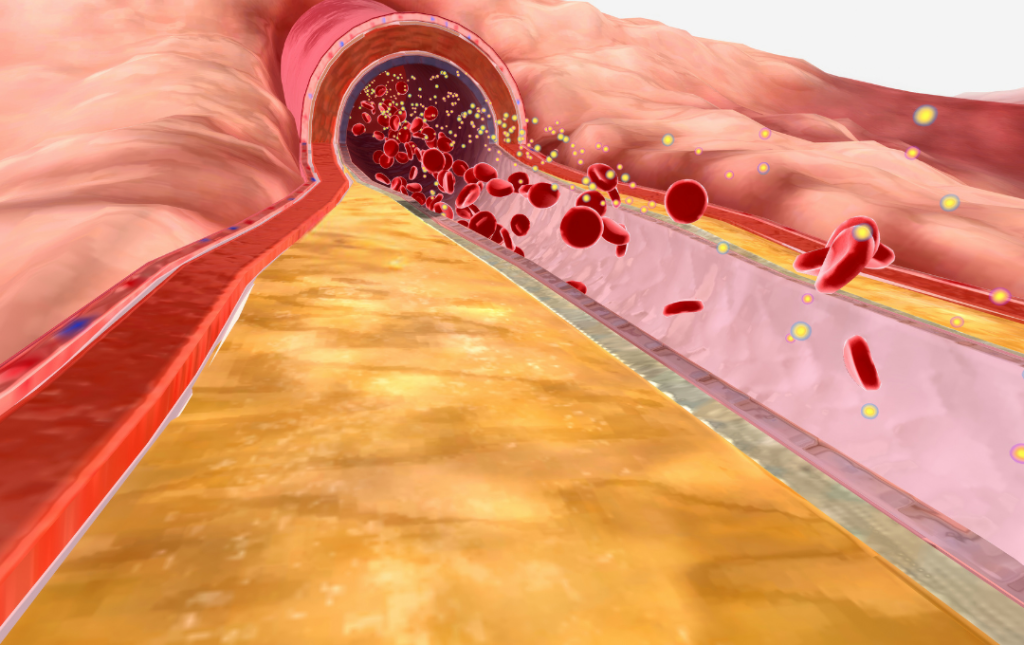
Currently, there is only one FDA-approved medication for PAD symptoms, and its effectiveness is often limited by side effects. This leaves a significant gap in treatment options for the millions of Americans struggling with leg pain and restricted mobility.
Looking Toward Future Therapies
Despite the outcome of the metformin trial, the search for effective treatments continues. Researchers are now pivoting toward other promising substances, such as cocoa flavanols and nicotinamide riboside, which have shown preliminary evidence of improving walking difficulty.
While clinical trials continue to explore new medications, Dr. Katsnelson emphasizes that effective, minimally invasive treatments are already available to help patients regain their mobility. “Our goal is always to provide therapies that offer a meaningful improvement in a patient’s quality of life without the risks of major surgery,” notes Dr. Katsnelson. “For patients struggling with the pain of PAD, we offer advanced, minimally invasive options like angioplasty and stent placement to physically open narrowed arteries and restore healthy blood flow.”
These procedures are performed through a tiny incision, typically allowing for a much faster recovery than traditional surgery. By improving circulation directly at the source, patients often experience immediate relief from the leg pain and “heaviness” that once made walking difficult.
“At our clinics, we continue to monitor emerging clinical trials closely to ensure our patients have access to the most effective, evidence-based management strategies,” Dr. Katsnelson adds. “But we also want our patients to know they don’t have to wait for a ‘future drug’ to find relief today.”
To learn more about treatment options, schedule online or call 800-773-2193.