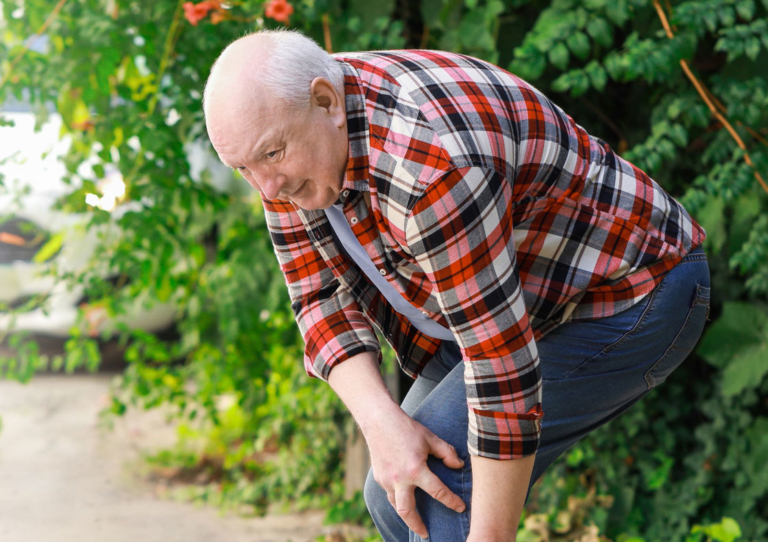
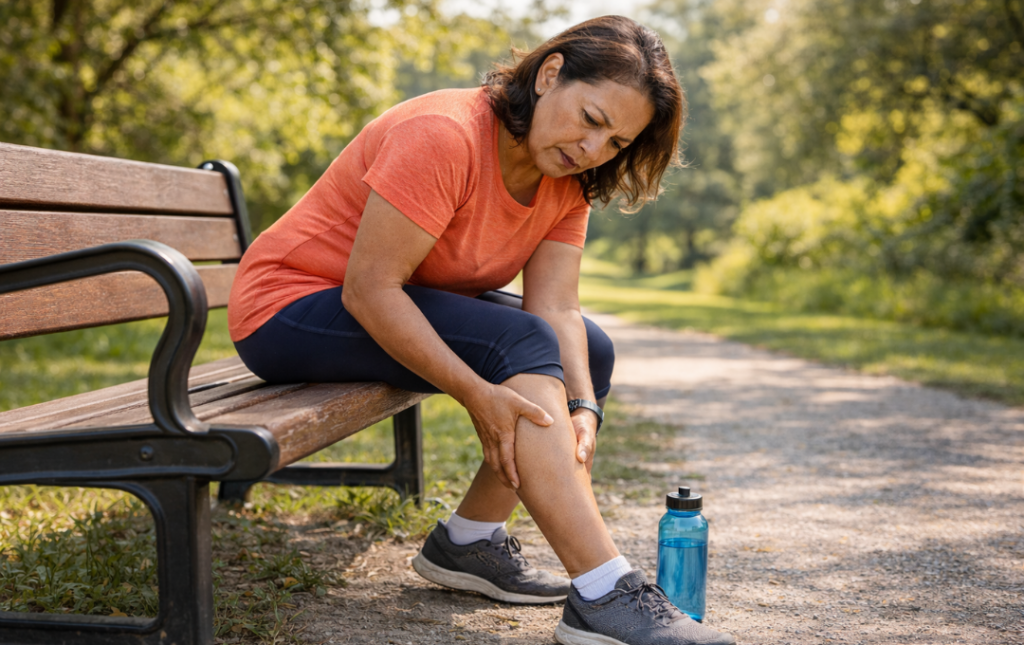
Many patients with peripheral artery disease (PAD) experience pain and cramping in the legs, feet, and buttocks. This is because the condition reduces blood flow to the legs, depriving them of oxygen and nutrients needed to function efficiently. While the pain typically occurs during physical activity and eases with rest, a study in the Journal of Vascular Surgery suggests that dehydration may also contribute to symptom severity.1
While research on dehydration’s effects on PAD is limited, understanding how the effects can worsen PAD leg cramps can lead to effective ways of managing the condition without the need for surgery.
Dehydration and Leg Pain: Why Low Fluids Can Trigger Cramps and Aches
Fluids help maintain healthy blood circulation and electrolyte balance. Water keeps the blood thin and allows red blood cells to transport oxygen throughout the body effectively. Electrolytes, such as calcium, potassium, and magnesium, support nerve signals and healthy muscle movements.
When the body becomes dehydrated:
- Blood volume decreases, reducing circulation to working muscles
- Electrolyte levels can shift
- Muscles may become more prone to cramping or tightness
Dehydration is not the sole cause of leg cramps or pain. Hot weather, illness, strenuous activity, and sweating can contribute to sudden muscle fatigue, cramping, aching, and tightness.
In many cases, dehydration-related pain typically improves after drinking water or replenishing electrolytes. However, persistent leg discomfort despite adequate hydration may signal another cause, such as peripheral artery disease (PAD).
How Dehydration Affects PAD
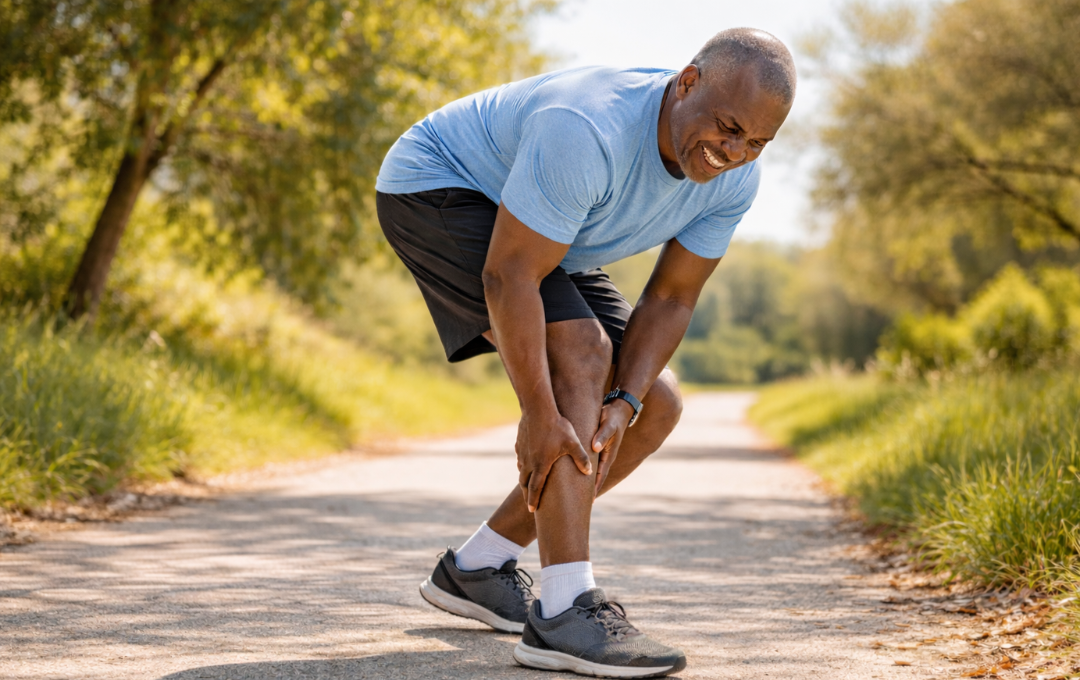
To understand how dehydration affects PAD, there needs to be an understanding of how the disease develops.
Peripheral artery disease occurs when plaque builds up in the arteries, narrowing the vessels that supply oxygen-rich blood to the legs. This reduces circulation, resulting in a symptom known as claudication, where cramping, fatigue, or pain appear while walking.
While the body typically compensates for mild dehydration, a reduction of blood volume in a patient with PAD may further limit blood flow to the legs and exacerbate leg pain and cramping.
Can Dehydration Make PAD Symptoms Worse?
Dehydration may contribute to worsening leg pain and cramping from PAD; however, research is limited on whether dehydration affects other PAD symptoms, such as shiny legs, hair loss, tingling sensations, numbness, or weakness in the legs. Other factors worsen these symptoms over time and allow the disease to progress, including:
- Smoking
- Diabetes
- Older age
- High blood pressure
- High cholesterol
Dehydration Leg Pain vs. PAD Leg Pain: Symptom Differences
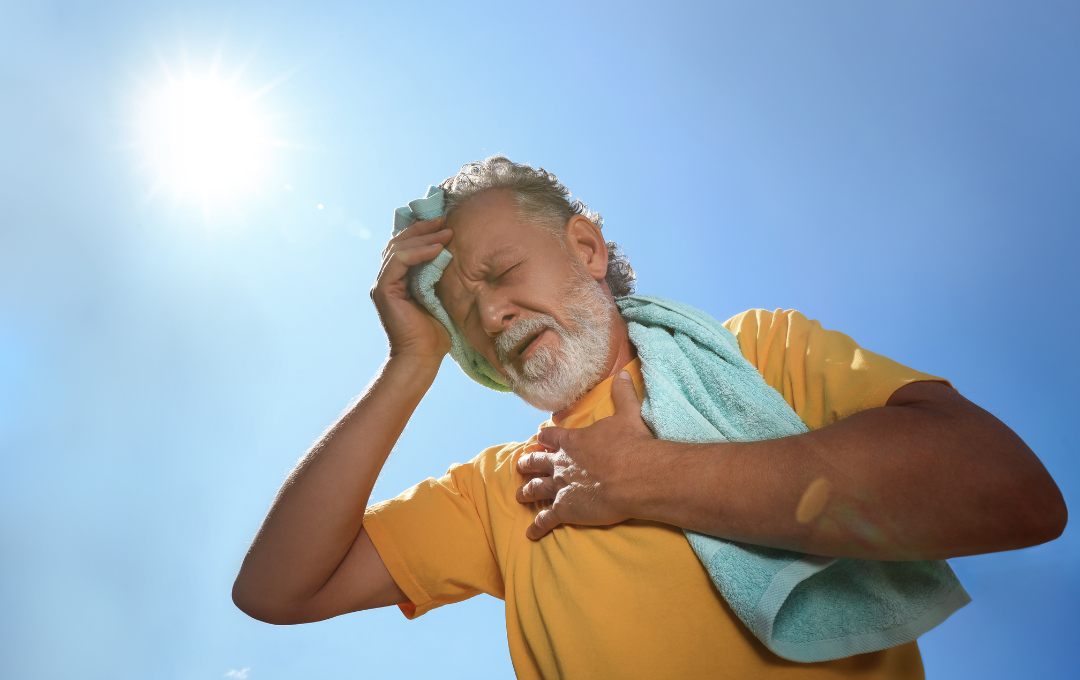
There can be some confusion about whether leg pain is from dehydration or PAD. There are subtle differences that point to one cause over the other.
Pain from dehydration may:
- Occur during or after heat exposure.
- Be accompanied by thirst, dry mouth, or fatigue.
- Improve with fluids and electrolyte intake.
- Present as sudden, sharp cramps rather than activity-based pain.
PAD leg pain has a characteristic pattern and often:
- Occurs during walking or physical activity.
- Begins at a predictable distance or level of exertion.
- Improves with rest.
- Affects the calves, thighs, or buttocks depending on blockage location.
Here is a simplified comparison:
| Feature | Dehydration Leg Pain | PAD Leg Pain (Claudication) |
| Trigger | Heat, fluid loss, illness | Walking or exertion |
| Relief | Hydration, stretching | Rest |
| Pattern | Irregular or sudden | Predictable with activity |
| Associated Signs | Thirst, dry skin | Cold feet, slow-healing wounds |
When Symptoms Overlap
Dehydration can worsen cramps during activity. For someone with PAD, this overlap may make claudication feel more intense or appear sooner during exercise.
If leg pain repeatedly limits walking distance or returns with exertion, you should consider being evaluated for PAD by a vascular specialist.
Leg Pain at Night from Dehydration vs. PAD
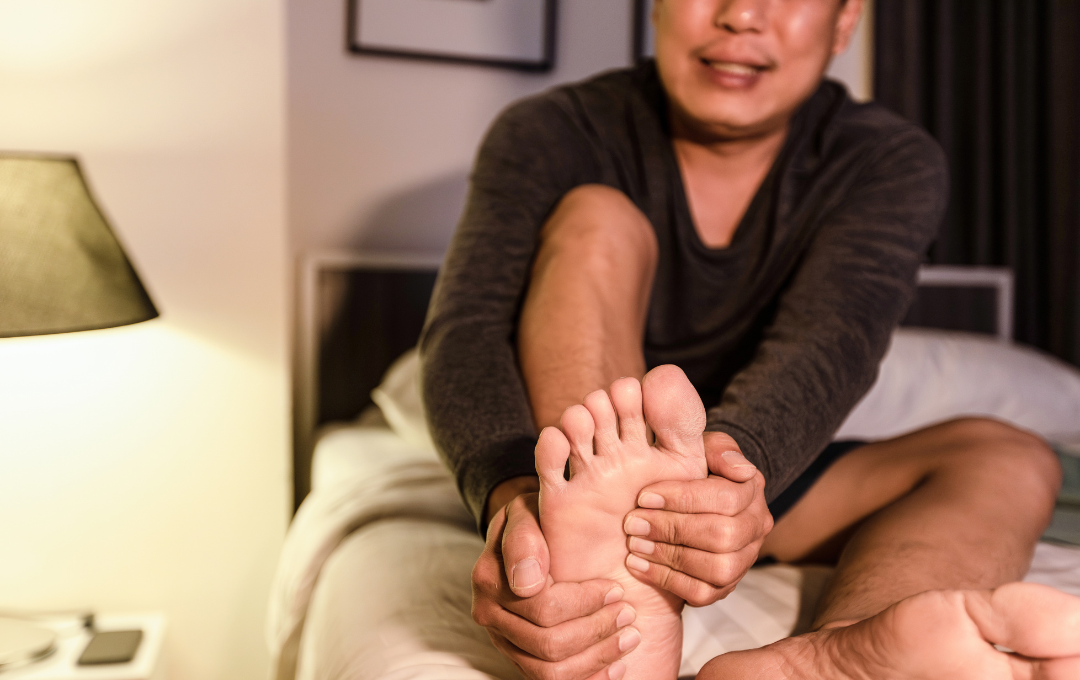
Another way to differentiate leg pain from dehydration or PAD is by observing how the pain feels at night.
Leg pain at night from dehydration usually occurs as a “charley horse.” This symptom typically feels like a sudden tightening in the calf or foot. Stretching, gentle movement, and hydration help relieve the cramping.
PAD leg pain at night often feels like a persistent aching or burning in the feet or toes while lying down. In some cases, dangling the feet off the side of the bed provides temporary relief.
It should be noted that PAD leg pain at night may indicate advanced disease. This symptom, known as rest pain, happens when blood flow to the legs is significantly reduced. A vascular specialist should evaluate rest pain to prevent the disease from progressing further and leading to complications such as skin discoloration, non-healing wounds, and .
PAD Leg Pain Treatment Options
Treatments for leg pain caused by PAD are designed to restore blood flow without the need for cuts or incisions. PAD treatments vary from patient to patient, but each treatment will help improve symptoms and lower the risk of complications. This may include:
- Lifestyle modifications (smoking cessation, structured exercise programs)
- Medications to manage cholesterol, blood pressure, or blood clot risk
- Minimally invasive procedures to restore circulation
Physicians at USA Vascular Centers use small catheters and specialized tools to identify arterial blockages and open the narrowed blood vessels. Since these procedures are minimally invasive, there is a reduced risk of post-procedure complications compared to surgery. These treatments are performed on an outpatient basis, so patients can return home the same day as their treatment.
Get Lasting Symptom Relief at USA Vascular Centers
Leg pain should not be dismissed as dehydration if symptoms are persistent, activity-related, or worsening. A vascular evaluation can determine whether PAD is contributing to the discomfort and identify the next steps.
USA Vascular Centers specializes in diagnosing and treating peripheral artery disease. Our vascular specialists use advanced imaging techniques, such as a duplex ultrasound or angiography, to evaluate blood flow and identify narrowed or blocked arteries that may be causing symptoms.
When PAD is diagnosed, patients receive a personalized treatment plan that best fits their condition. PAD treatments are typically covered by most major insurance plans. Patients can verify their coverage when they schedule their appointment online or by calling (888) 773-2193.
If you are concerned that your leg cramps are a sign of PAD, call now to schedule your consultation.
Call Now To Book Your Consultation
Frequently Asked Questions (FAQs)
Can drinking water help peripheral artery disease (PAD)?
Drinking water will not help the plaque buildup that led to PAD. However, hydration supports overall blood flow and may help lessen the severity of leg pain or cramping from PAD.
Can dehydration make claudication worse?
Dehydration can make claudication worse as it causes the blood to thicken and flow slower, leading to increased leg pain while walking in patients with peripheral artery disease (PAD).
What does leg pain from dehydration feel like?
Leg pain from dehydration often presents as sudden cramping, tightness, or aching in the calves or thighs. It may occur after heat exposure or fluid loss and typically improves with hydration and stretching.
Does drinking water increase blood flow?
While drinking water does not directly open narrowed arteries, it can help maintain normal blood volume, which supports circulation. When blood flow restriction is caused by PAD, medical treatment is necessary to address the underlying blockage.
Source
1. Parodi et al., Hydration may reverse most symptoms of lower extremity intermittent claudication or rest pain