
Medically reviewed by
USA Clinics Medical Review Team
Vascular Health Education Experts
Reviewed: September 2026
Angioplasty may be recommended for peripheral artery disease (PAD) when narrowed or blocked arteries significantly restrict blood flow and symptoms do not improve enough with conservative treatment. The decision depends on your symptoms, diagnostic testing, the severity and location of arterial blockages, and your overall health.
When Is Angioplasty Recommended for PAD?
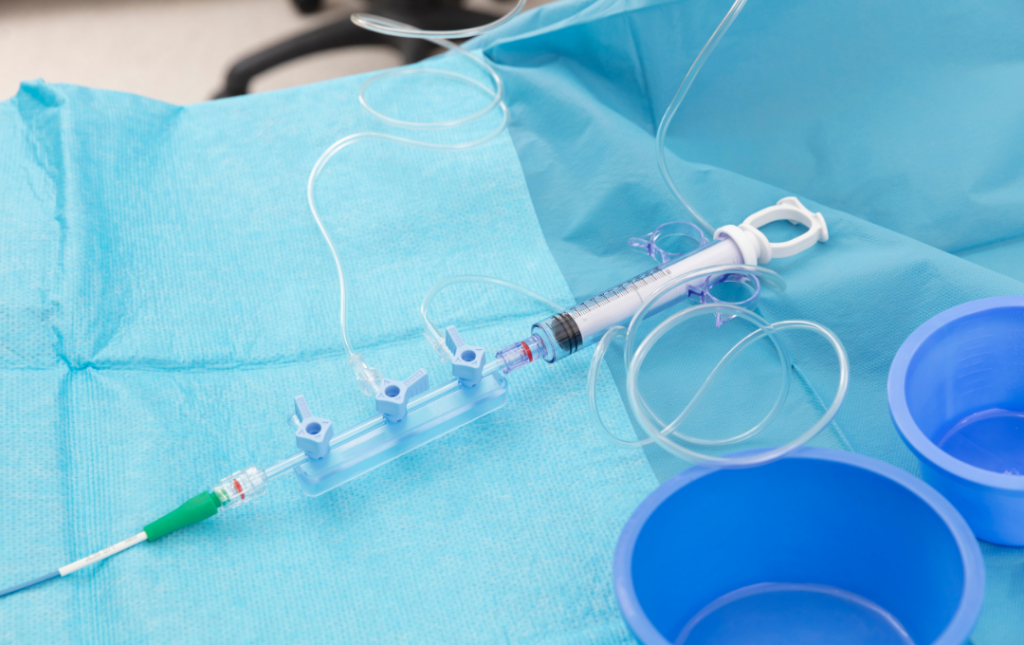
PAD develops when plaque builds up inside the arteries that carry blood to the legs, gradually narrowing the vessel and reducing circulation. Angioplasty addresses this narrowing directly. During the procedure, a vascular specialist threads a catheter to the blocked segment using real-time imaging, then inflates a small balloon to compress the plaque against the artery wall. This widens the interior channel and allows blood to move more freely to the leg and foot.
Angioplasty is not the first step for every person diagnosed with PAD. Many patients begin with a supervised walking program, medication, and risk-factor management such as smoking cessation. Angioplasty becomes a consideration when those measures are not enough, or when the severity of the blockage calls for a more direct intervention.
How Vascular Specialists Evaluate PAD
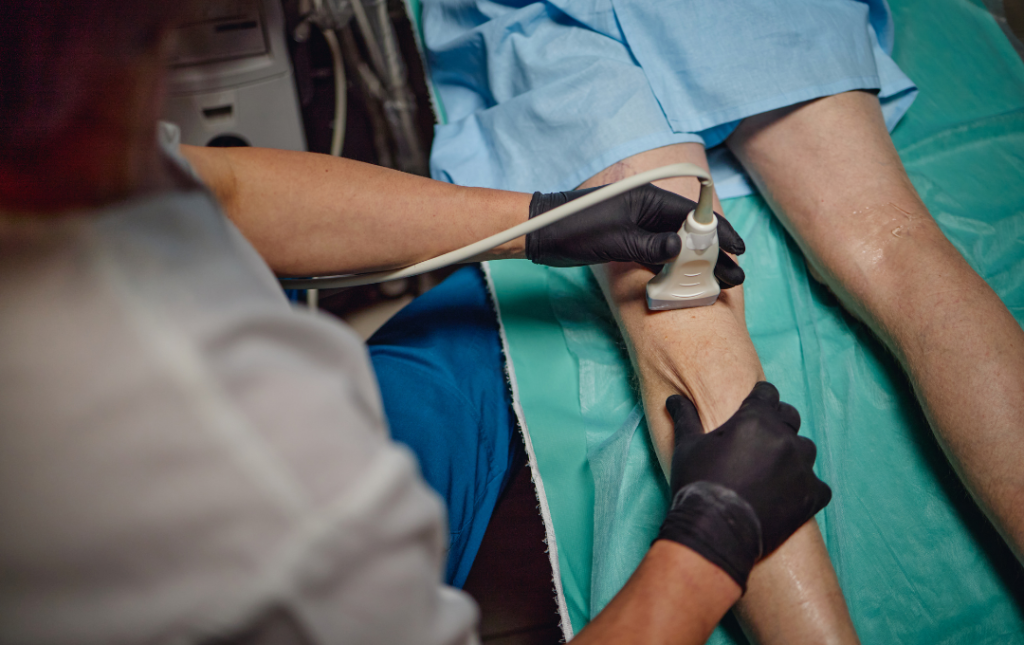
Deciding on the best course of action for PAD requires a thorough evaluation. Vascular specialists rely on a combination of your reported symptoms and comprehensive diagnostic testing to assess the extent of the condition before recommending treatment.
Factors That Influence the Decision to Perform Angioplasty
A vascular specialist considers several key clinical factors to determine if angioplasty is the right approach:
- Severity and location: the exact site and percentage of arterial narrowing.
- Impact on blood flow: how severely circulation to the legs and feet is restricted.
- Symptoms and activity level: the degree to which leg pain or cramping limits daily mobility and quality of life.
- Overall health: underlying health conditions and general procedural risk.
- Individualized treatment planning: tailoring the care plan to each patient’s anatomy and lifestyle goals.
When Angioplasty May Not Be Recommended
Angioplasty is not necessary or appropriate for every patient. Treatment may not be recommended in the following scenarios:
- Asymptomatic PAD or mild cases that do not cause functional limitations.
- Symptoms that are effectively managed with medication, structured exercise, and lifestyle changes.
- Leg symptoms caused by conditions other than arterial blockages, such as nerve or joint issues.
- Complex blockages that are unlikely to benefit from an endovascular approach.
- Situations where the potential risks of the procedure outweigh the anticipated benefits.
A vascular specialist weighs these factors together, not in isolation, before recommending a course of treatment.
Types of Angioplasty and Related Procedures for PAD
When conservative treatments are not enough to relieve PAD symptoms, several angioplasty techniques may be used to reopen narrowed arteries and improve blood flow.
Balloon Angioplasty
During balloon angioplasty, a specialist guides a thin, flexible catheter through the vascular system to the site of the blockage. Once in position, a small balloon attached to the tip is inflated. This compresses the plaque against the artery wall, widening the passage and helping restore improved blood flow to the limb.
Angioplasty and Stenting for PAD
In many cases, specialists perform angioplasty along with stent placement for PAD. After the balloon widens the artery, a small mesh tube called a stent may be placed at the site to help hold the vessel open. Whether a stent is needed, and which type is used, depends on the specific location, length, and characteristics of the blockage.
Vascular health check
Lifestyle changes help. They do not reopen a narrowed artery.
Walking programs, diet, and quitting smoking can support circulation and may ease mild symptoms of PAD.
When narrowing is more advanced, a vascular specialist can evaluate whether a minimally invasive, outpatient option such as angioplasty may help restore blood flow.
Benefits and Risks of Leg Angioplasty
Leg angioplasty is generally safe and effective, though like any procedure, it carries both benefits and potential complications.
By reopening narrowed arteries, the procedure can relieve cramp-like muscle pain, improve daily mobility, and support wound healing. A stent may help keep the vessel open long term. Potential risks include bleeding or infection at the catheter site, blood clots, vessel damage, restenosis, or the possible need for follow-up treatment.
Why Timely PAD Treatment Matters
Leaving PAD untreated can allow plaque to keep building up, turning manageable circulatory issues into more serious health concerns. Over time, restricted blood flow can lead to worsening leg pain, reduced mobility, non-healing foot ulcers, and chronic limb-threatening ischemia (CLTI), a condition associated with a higher risk of amputation.
Seek a vascular evaluation promptly if you notice leg pain at rest, coldness in one foot, slow-healing sores, or skin color changes in your legs.
What to Expect During and After Angioplasty
Angioplasty for PAD is typically performed as an outpatient procedure using local anesthesia and mild sedation. Most procedures take about 30 to 45 minutes, with total appointment time closer to two hours once monitoring is included.
Afterward, you will rest briefly so the puncture site can seal. Most patients can walk around the clinic before leaving and are encouraged to resume light walking at home the next day, since gentle movement supports circulation during recovery. See our overview of PAD diagnostic testing to understand what a typical evaluation involves before treatment.
Frequently Asked Questions
Next step
Understand your PAD treatment options.
If leg pain, cramping, or slow-healing wounds are affecting your daily life, a vascular specialist can help determine whether angioplasty or another minimally invasive option fits your circulation needs.
- Cleveland Clinic. “Angioplasty.” my.clevelandclinic.org/health/treatments/22060-angioplasty
- American Heart Association, Circulation: Cardiovascular Interventions. “Management of Critical Limb Ischemia.” ahajournals.org
- National Library of Medicine (PMC). “Comparison Between Intermittent Claudication Versus Chronic Limb-Threatening Ischemia in Peripheral Arterial Disease.” pmc.ncbi.nlm.nih.gov
Medical disclaimer: This content is provided for educational purposes only and is not a substitute for professional medical advice, diagnosis, or treatment. Always consult a qualified vascular specialist regarding any questions about your circulatory health.