Medically reviewed by
USA Clinics Medical Review Team
Vascular Health Education Experts Reviewed: November 2026
PAD does not usually cause leg swelling by itself, but a person can have both PAD and swelling at the same time. PAD occurs when the arteries that carry blood to the legs become narrowed, which typically leads to symptoms such as leg pain, cramping, or numbness, rather than swelling. When swelling is present, it may be caused by a different condition that needs its own evaluation. PAD and leg swelling can occur at the same time, but one does not necessarily cause the other. Understanding the difference is important for getting the right evaluation for each condition.
What Is Peripheral Artery Disease (PAD)?
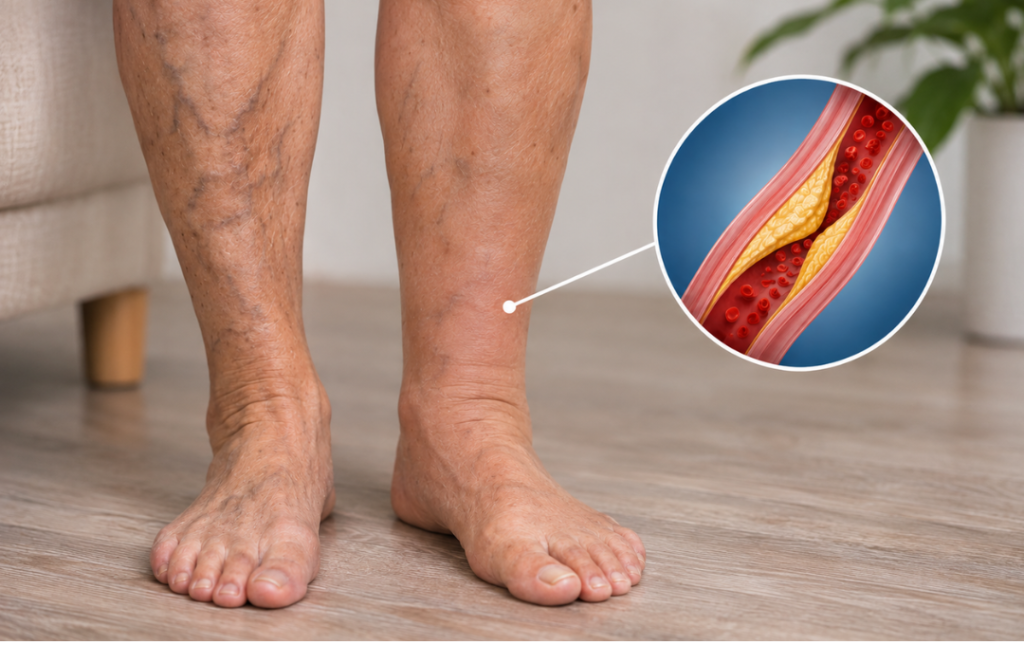
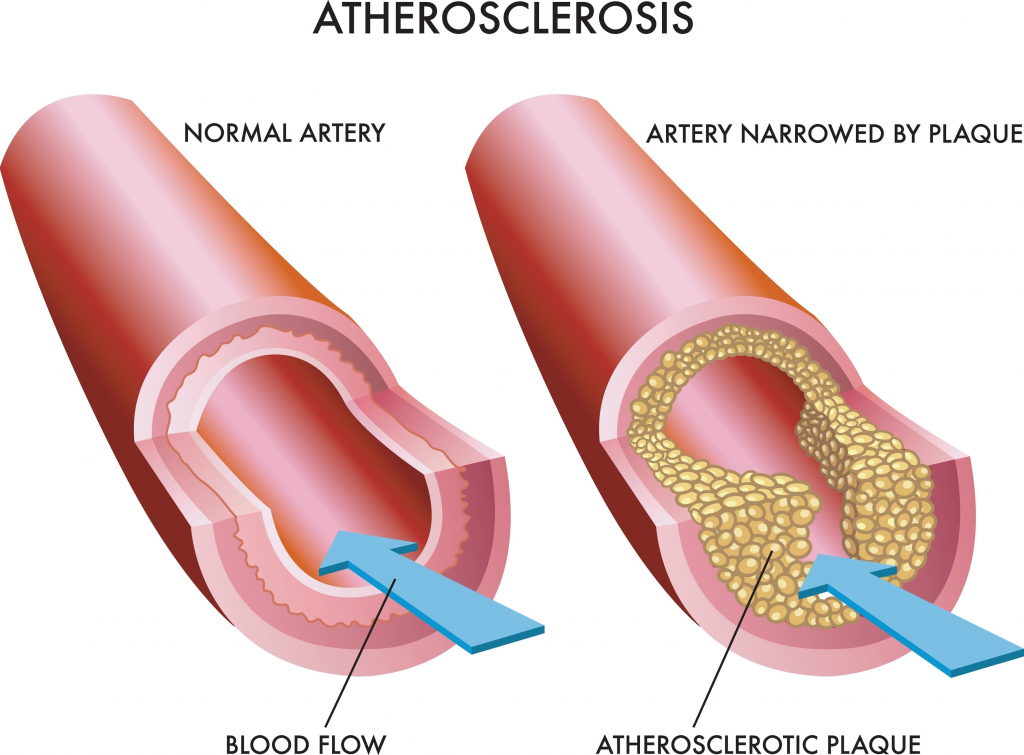
Peripheral artery disease is a circulatory condition in which plaque builds up inside the arteries that carry blood to the legs. As those arteries narrow, the muscles and tissue in your lower limbs receive less oxygen-rich blood than they need.[1] This can lead to symptoms ranging from mild leg fatigue during activity to severe pain even at rest.
PAD affects approximately 6.5 million people aged 40 and older in the United States.[2] Diabetes is one of the strongest risk factors because high blood sugar can damage blood vessels over time and accelerate plaque buildup.
The condition is also closely linked to atherosclerosis, the same plaque buildup that can narrow arteries supplying the heart and brain. This is why PAD is associated with a higher risk of heart attack and stroke, not just leg complications.
Does PAD Directly Cause Leg Swelling?
The direct answer is no. PAD itself does not typically cause generalized leg swelling. The main issue in PAD is insufficient blood flow to the muscles and tissue, not a problem with fluid drainage. The symptoms PAD tends to produce are pain, cramping, numbness, coldness in the lower leg, and slow-healing sores, not the puffiness or pitting that characterizes edema.[3]
That distinction is worth knowing because leg swelling and PAD are frequently confused or lumped together. Edema, the medical term for fluid buildup in the tissues, is most often caused by venous conditions, heart failure, or kidney disease, not by arterial narrowing.
What PAD Actually Does to Your Legs
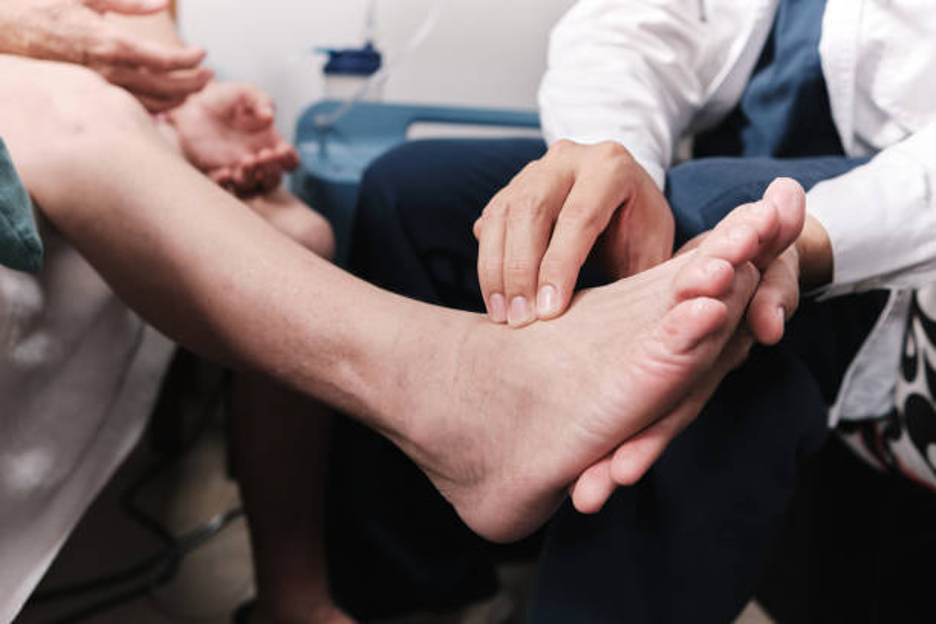
When an artery narrows due to plaque buildup, less blood reaches the tissues below the blockage. This oxygen shortage triggers pain and cramping, often starting with activity and easing with rest. That pattern is called claudication, and it is one of the most reliable early signs of PAD. See how claudication compares to rest pain for more on what each pattern signals.
Why Leg Swelling Can Occur With PAD
Even though PAD does not cause leg swelling directly, the two can coexist for several reasons. Patients with PAD are often older and may have multiple health conditions that do cause swelling.
Other Conditions That May Cause Swelling
Heart failure, kidney disease, diabetes, and venous insufficiency are among the most common causes of leg swelling or edema. These conditions are also more prevalent in people who have PAD, since all of them share similar risk factors, including high blood pressure, smoking, and diabetes. If you have PAD and notice leg swelling, the swelling may point to one of these related conditions and should be evaluated separately.
Critical Limb Ischemia and Localized Swelling
In advanced PAD, called critical limb ischemia (CLI), severely reduced blood flow can lead to non-healing wounds or ulcers on the foot or lower leg. The tissue around those wounds may become inflamed and locally swollen. This type of localized swelling is different from the widespread fluid buildup seen with heart failure, but it is a serious sign that requires prompt vascular attention.
Medication-Related Swelling
Certain medications used to manage PAD or related cardiovascular conditions, including some calcium channel blockers, can cause ankle swelling as a side effect. If swelling began around the same time as a medication change, that is worth discussing with the prescribing provider.
Three Signs of PAD You Should Know
Leg swelling is not a reliable sign of PAD, but these three are:
- Leg pain or cramping that starts with walking and stops with rest. This pattern, known as claudication, reflects muscles that are not getting enough blood to handle physical demand. Learn more about leg pain from PAD.
- Coldness or discoloration in one leg or foot. When one foot feels noticeably cooler than the other, or the skin appears pale or bluish, reduced arterial blood flow may be the reason.
- Slow-healing sores on the foot or lower leg. A wound that does not close within a few weeks may indicate that the tissue is not receiving enough circulation to support healing.
If any of these symptoms sound familiar, a vascular evaluation can help determine whether PAD is involved. Review the full range of PAD symptoms and stages to understand what else to watch for.
How to Tell If Leg Swelling Is Heart-Related
One of the most common questions from patients is how to tell whether their leg swelling stems from a heart problem. Heart failure can cause fluid to back up in the legs, ankles, and feet when the heart is not pumping efficiently.[3] Signs that swelling may be heart-related include:
- Swelling in both legs equally
- Swelling that is worse by the end of the day
- Swelling that comes with shortness of breath, fatigue, or difficulty lying flat
- Pitting when you press on the swollen area, where the indentation takes a moment to fill back in
This kind of swelling is distinct from PAD. If you have swelling with any of the above signs, a healthcare provider evaluation is appropriate. If the swelling is in one leg only, comes with warmth or redness, or appeared suddenly, a blood clot evaluation may be more urgent.
When to See a Vascular Specialist
Leg swelling alone rarely points to PAD, but it can point to conditions that often travel with it. A vascular specialist may be the right starting point if:
- You have known PAD risk factors, including smoking history, diabetes, age 50 or older, or family history of heart disease
- You experience leg cramping or fatigue during walks that improves with rest
- You notice changes in your foot or lower leg: coolness, color changes, or slow-healing wounds
- You want to understand whether your leg swelling might be connected to a circulatory condition
A noninvasive ankle-brachial index (ABI) test can often confirm or rule out PAD in a single visit. Connecting with a PAD treatment specialist is a low-barrier way to start that conversation.
FAQs About PAD and Leg Swelling
Vascular health check
Your legs are telling you something. A vascular evaluation can help you understand what.
Leg swelling, cramping during walks, or cold feet can point to different conditions, or several at once. Sorting out the cause matters, because the right next step depends on what is actually driving your symptoms.
A vascular specialist can assess your circulation, identify whether PAD is involved, and outline options tailored to your situation.
- Cleveland Clinic. “Peripheral Artery Disease.” my.clevelandclinic.org/health/diseases/17357-peripheral-artery-disease-pad
- Centers for Disease Control and Prevention. “About Peripheral Arterial Disease.” cdc.gov/heart-disease/about/peripheral-arterial-disease.html
- Mayo Clinic. “Peripheral artery disease (PAD) – Symptoms and causes.” mayoclinic.org/diseases-conditions/peripheral-artery-disease/symptoms-causes/syc-20350557
Medical disclaimer: This content is provided for educational purposes only and is not a substitute for professional medical advice, diagnosis, or treatment. Always consult a qualified vascular specialist regarding any questions about your circulatory health.