Medically reviewed by
Dr. Aaron Shiloh, M.D., FSIR
Interventional Radiologist Reviewed: November 2026
Recovery from peripheral angioplasty is often faster than many patients expect. Because the procedure uses a small catheter to open narrowed arteries rather than large surgical incisions, most people can return to light activities within 1 to 2 days and fully recover within 1 to 2 weeks.1
If you’re considering angioplasty for PAD, understanding the recovery timeline can help you plan ahead and know what to expect after treatment. At USA Vascular Centers, angioplasty is performed in an outpatient setting, allowing most patients to go home the same day.
What Is Peripheral Angioplasty?
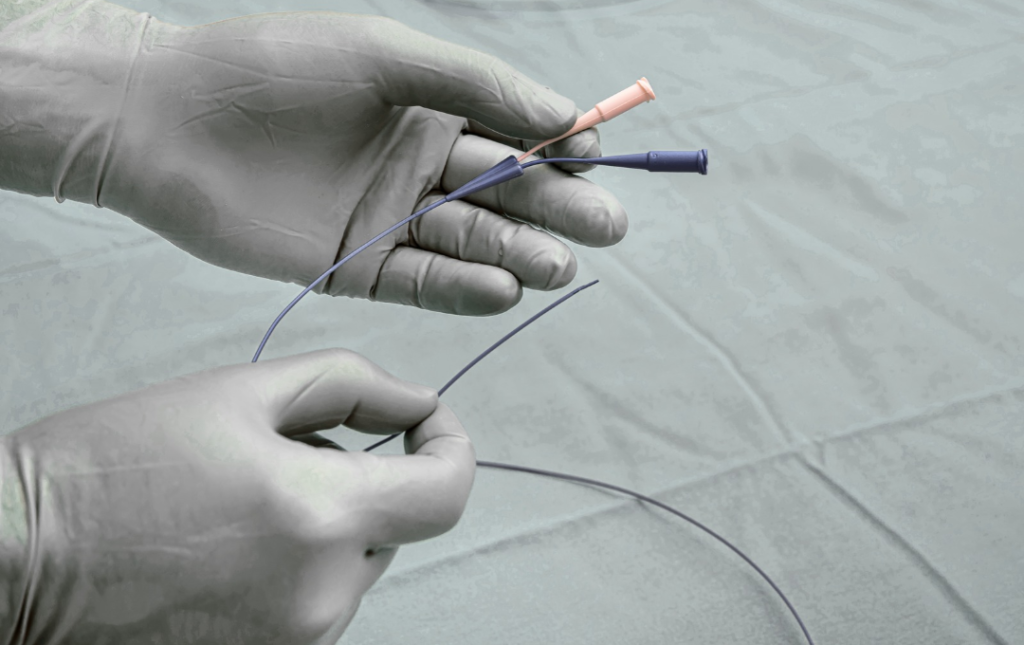
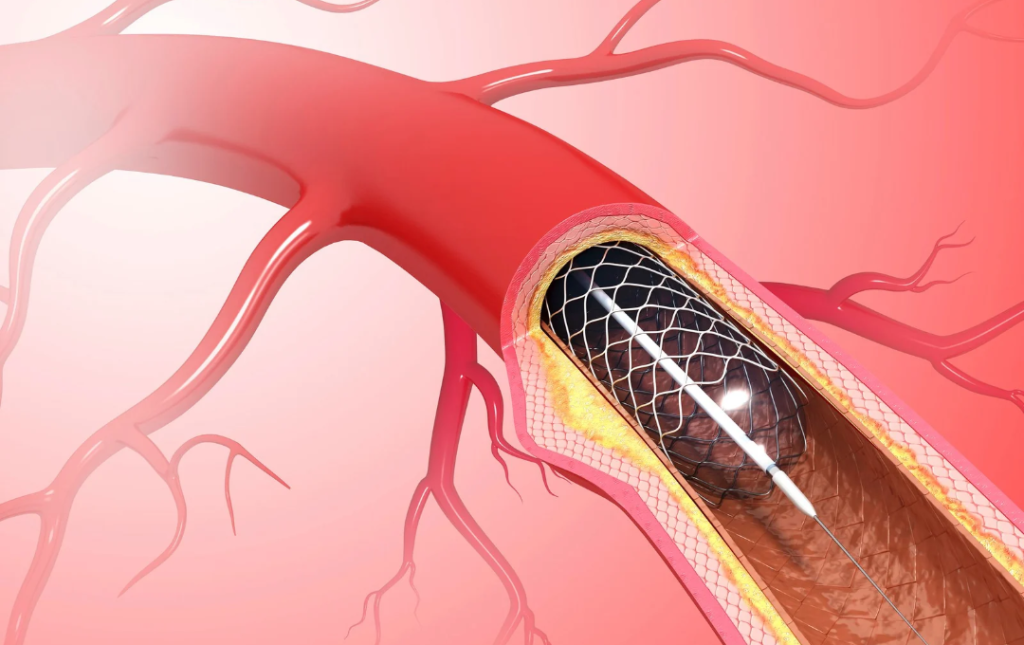
Peripheral angioplasty is a minimally invasive procedure used to restore blood flow through narrowed or blocked arteries outside the heart, most commonly in the legs. During treatment, a vascular specialist inserts a thin catheter into a blood vessel and inflates a small balloon to widen the artery. In some cases, a stent is placed to help keep the artery open and support long-term blood flow.1
Because only a small access point is needed, typically in the wrist or groin, patients generally experience a shorter peripheral angioplasty recovery time compared with procedures that require larger incisions.
How Long Does It Take to Recover From Peripheral Angioplasty?
The exact recovery time from peripheral angioplasty varies depending on factors such as:
- Your overall health
- The location of the treated artery
- Whether a stent was placed
- The severity of the blockage
- The type of work and physical activity you perform
Most patients go home the same day and can begin light movement within 24 hours.1,2
Typical Peripheral Angioplasty Recovery Timeline
| Recovery Stage | What to Expect |
|---|---|
| First 24 hours | Rest, hydration, and limited activity while the access site begins healing2 |
| Days 2–3 | Resume light household activities, showering, and short walks2 |
| Within 1 week | Many patients return to desk work and routine daily activities2,3 |
| Within 1–2 weeks | Most patients complete recovery and gradually return to normal exercise and physical activity with provider approval3 |
While individual experiences vary, the majority of patients report a smooth and relatively quick recovery from angioplasty.
What to Expect During Your Peripheral Angioplasty Recovery Time
The First 24 Hours
After angioplasty, you’ll remain under observation for a short period while your care team monitors your vital signs and the insertion site. Once discharged, someone should drive you home. Mild soreness, bruising, or fatigue is common during the first day. Most patients are encouraged to rest, stay hydrated to help flush contrast dye from the body, and keep the insertion site clean and dry.2
Days Two to Three
By the second or third day, many patients begin feeling noticeably better. You may be able to shower, walk comfortably around your home, and resume light household activities. Although you can gradually return to normal movement, it is important to avoid lifting more than 10 pounds or performing strenuous activities until your provider says it is safe.2
Week One to Two
As you continue recovering from angioplasty, bruising and tenderness typically fade. Many patients notice improved circulation, increased energy, and less discomfort while walking. By the end of the first or second week, most people have returned to their usual daily routines and feel largely recovered.3
When Will Symptoms Improve After Leg Angioplasty?
Patients receiving angioplasty for PAD often wonder how quickly they will notice improvement in their symptoms. As blood flow returns to the lower extremities, many people experience less leg pain, cramping, heaviness, and fatigue during walking. Some patients begin feeling symptom relief within days of treatment, while others notice gradual improvement over several weeks as circulation continues to improve.1
Recovery Time for Angioplasty in Leg
Recovery from leg angioplasty is typically quick. Most patients are encouraged to walk within 24 hours of treatment and can usually return to light daily activities within a few days. Many people resume their normal routine within one to two weeks.2,3
Your physician may recommend avoiding heavy lifting or strenuous exercise for a short period after the procedure to allow the treatment site to heal properly.
Does a Stent Affect Recovery Time?
If a stent is placed during the procedure, the stents in leg recovery time is usually no longer than recovery from angioplasty alone. While the stent itself does not increase downtime, it is important to take prescribed antiplatelet medications as directed and attend follow-up appointments to support healthy blood flow and long-term treatment success.1
Tips for a Smooth Recovery Time After Peripheral Angioplasty
Following your provider’s aftercare instructions can help support a smooth peripheral angioplasty recovery time. Protecting the access site, staying active, taking medications as prescribed, and attending follow-up visits all play important roles in the healing process.
Protect the Access Site
Avoid soaking in bathtubs, hot tubs, or swimming pools for about a week after treatment. Keeping the area clean and dry can help reduce the risk of irritation or infection while the access site heals.2
Stay Active
Light walking is one of the best activities after angioplasty. Short walks help improve circulation and reduce stiffness. As your energy returns, you can gradually increase your activity level according to your provider’s recommendations.2
Take Medications and Attend Follow-Up Visits
Continuing prescribed medications, including blood thinners and cholesterol-lowering medications, is an important part of recovery. Regular follow-up appointments allow your provider to monitor healing and evaluate blood flow in the treated artery.1,2
Know When to Call Your Provider
Contact your healthcare team immediately if you develop significant bleeding, increasing redness or swelling around the insertion site, fever, severe pain, shortness of breath, chest pain, or sudden changes in the temperature, color, or sensation of your leg or foot.2
Take the Next Step Toward Better Circulation
Understanding how long to recover from angioplasty can help you feel more prepared for treatment and recovery. For most patients, recovery is relatively quick, with a return to light activities within days and normal routines within one to two weeks.
If leg pain, cramping, numbness, or other symptoms of poor circulation are interfering with your daily life, treatment may help improve blood flow and get you back to the activities you enjoy.
Next step
Schedule a Consultation Today
At USA Vascular Centers, our experienced vascular specialists provide minimally invasive treatments for peripheral artery disease in a comfortable outpatient setting. We create personalized treatment plans designed around your unique health needs and goals.
Schedule a consultation today to learn more about your treatment options and take the next step toward better vascular health.
Frequently Asked Questions
- MyHealth Alberta. “Coronary angioplasty: What to expect at home.” myhealth.alberta.ca/Health/aftercareinformation/pages/conditions.aspx?hwid=uf9390
- American Heart Association. “How is PAD treated?” heart.org/en/health-topics/peripheral-artery-disease/prevention-and-treatment-of-pad
Medical disclaimer: This content is provided for educational purposes only and is not a substitute for professional medical advice, diagnosis, or treatment. Always consult a qualified vascular specialist regarding any questions about your circulatory health.