

If you experience cramping in your legs when walking or notice slow-healing sores on your feet, you might think the problem is limited to your lower limbs. However, peripheral artery disease (PAD) can also affect your entire cardiovascular system. Because PAD affects blood flow in the legs, it can also signal plaque buildup in arteries throughout the body.
Understanding the link between PAD, heart attack, and stroke is critical for long-term health. Because PAD is tied to atherosclerosis, a condition in which plaque builds up inside your arteries, the disease can significantly increase the risk of heart attack and stroke. At USA Vascular Centers, we believe that treating the legs is just one part of protecting the heart and brain.
The Connection Between PAD and Cardiovascular Risk
Peripheral artery disease is a condition where plaque—a sticky buildup of cholesterol, fat, and calcium—narrows the arteries that carry blood to your legs. While the symptoms are felt in the lower body, PAD often reflects systemic atherosclerosis, meaning if plaque is blocking the vessels in your legs, it is likely accumulating elsewhere.
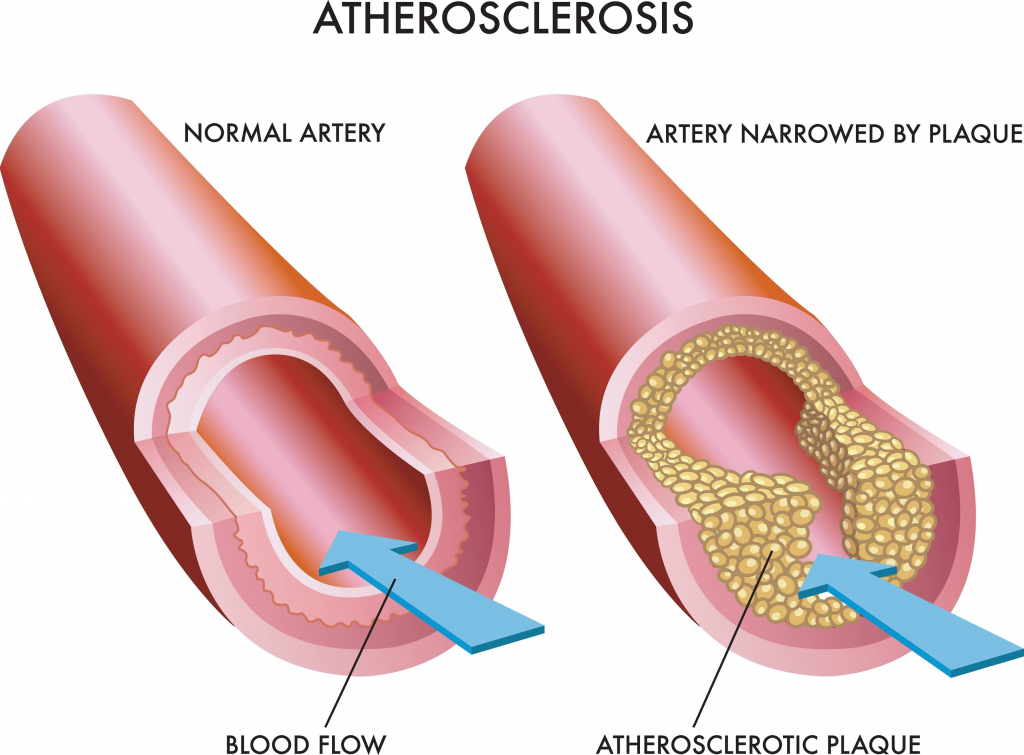
This creates a dangerous bridge to the heart and brain. The same plaque that causes poor circulation and increases the risk of heart attack in the legs can simultaneously affect the coronary arteries (which feed the heart) and the carotid arteries (which feed the brain). If you have been diagnosed with PAD, your cardiovascular risk is elevated because the disease is rarely isolated to just one area of the body.
Why PAD Can Raise the Risk of Heart Attack and Stroke
Peripheral artery disease and heart attack risk have a shared cause- a process called atherosclerosis. This involves a combination of plaque buildup, chronic inflammation, and an increased risk of blood clots.
Essentially, PAD and stroke risk are linked because PAD serves as a marker of artery disease elsewhere. If an artery in the leg is narrow enough to cause pain, the arteries leading to the heart or brain may also be nearing a dangerous level of blockage.
Peripheral Artery Disease and Heart Attack Risks
The relationship between heart attack and peripheral artery disease is so strong that many physicians view PAD as a “coronary artery disease equivalent.” (1) This means that having PAD carries a similar level of risk for a future cardiac event as having a previous heart attack.
Both conditions share common risk factors, including:
- Smoking
- Diabetes
- High blood pressure
- High cholesterol
When plaque in the coronary arteries ruptures, it can cause a sudden blockage, leading to a PAD heart attack. Because the two conditions often coexist, managing leg health is a vital step in heart protection.
Peripheral Artery Disease and Stroke Risks
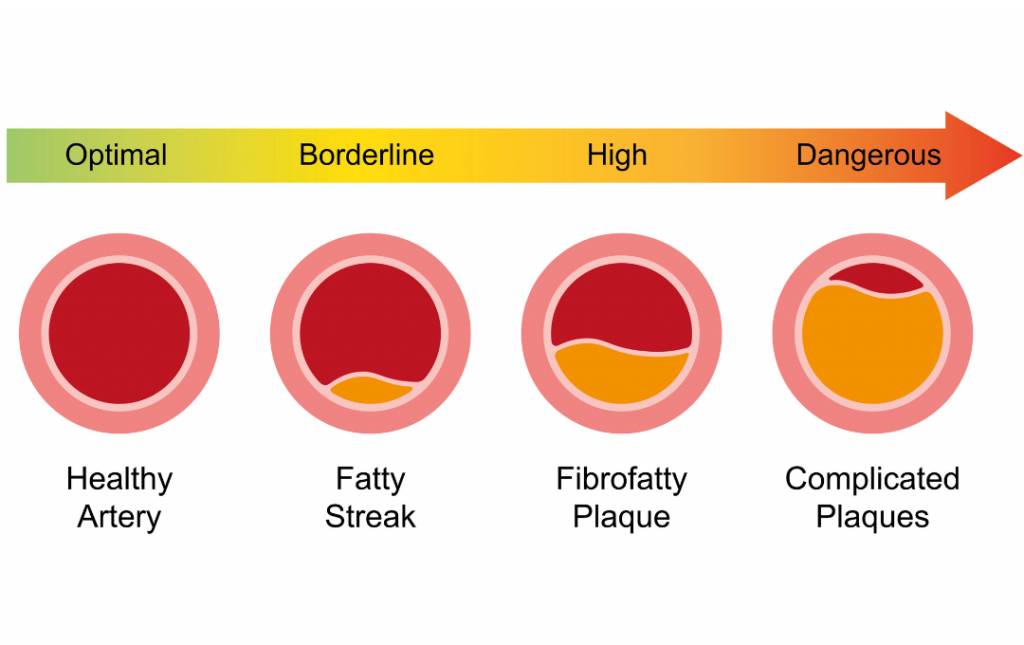
Similarly, peripheral artery disease and stroke risk are deeply intertwined. Atherosclerosis and PAD often extend to the carotid arteries in the neck. If plaque in these vessels becomes unstable or breaks off, it can travel to the brain and block blood flow, causing a PAD stroke.
A diagnosis of stroke and peripheral artery disease should raise a concern of atherosclerosis and prompt a broader cardiovascular screening. Knowing that your “pipes” are clogged in the legs allows your medical team to take proactive steps to prevent a life-altering stroke.
Call Now To Book Your Consultation
Symptoms to Watch If You Have PAD
Recognizing PAD symptoms early can help you manage your risk before a major cardiac event occurs. Common poor circulation in leg symptoms include:
- Leg pain when walking (claudication) that disappears with rest.
- Cramping in legs when walking, often felt in the calves, thighs, or buttocks.
- Leg fatigue or heaviness.
- Slow-healing sores or wounds on the feet or toes.
Urgent Red Flags
While PAD symptoms are often gradual, you must be aware of “urgent red flags” for your heart and brain:
- Heart Attack Warning Signs: Chest pain or pressure, shortness of breath, or pain radiating to the jaw or left arm.
- Stroke Warning Signs: Sudden numbness (especially on one side), facial drooping, or difficulty speaking.
Is Leg Pain a Sign of a Heart Attack?
It is important to clarify: leg pain is not a typical heart attack symptom. You will not usually feel leg pain with heart attack events while they are happening. However, leg pain and heart attack risk are connected differently. If you have leg pain and heart attack concerns, remember that the pain in your legs is a warning that your arteries are blocked, which makes a heart attack much more likely in the future.
How to Lower Heart Attack and Stroke Risk with PAD
If you have PAD, you can take active steps to reduce your risk of heart attack with PAD and your risk of stroke with PAD. A comprehensive risk-reduction approach includes:
- Lifestyle Changes: Smoking cessation is the single most important step. Additionally, heart-healthy nutrition and structured walking programs can improve circulation.
- Medical Management: Controlling blood pressure, cholesterol, and diabetes is essential. Your doctor may prescribe medications to reduce clot risk and support blood flow.
- Minimally Invasive Treatments: If blocked arteries in the legs and heart disease risks are high, procedures like stent placement or atherectomy can open the vessels in the legs, improving mobility and reducing the strain on your vascular system.
When to Get Checked for PAD and Cardiovascular Risk
You should seek a vascular evaluation if you experience any symptoms of PAD or if you have major risk factors like smoking or diabetes. Does PAD increase heart attack risk? Yes, significantly. Does PAD increase stroke risk? Absolutely.
Earlier diagnosis supports better outcomes. By identifying peripheral artery disease and stroke risk early, you can implement a treatment plan that protects your mobility and your life.
Why Early PAD Care Matters for Long-Term Health
At USA Vascular Centers, we understand that vascular health is whole-body health. Treating your PAD is about more than just walking without pain; it is about protecting your heart and brain from the devastating effects of atherosclerosis.
Frequently Asked Questions (FAQs)
Can PAD cause a heart attack?
PAD can cause a heart attack. While PAD occurs in the legs, it is caused by systemic atherosclerosis. If plaque is present in the legs, it is often present in the coronary arteries, which can cause a heart attack by blocking blood flow to the heart muscle.
Can a blocked artery in the leg cause a heart attack?
A blocked artery in the leg does not physically travel to the heart to cause an attack. However, it serves as a major warning sign that your other arteries are likely blocked, which increases heart attack risk.
Can a stroke cause a heart attack?
A stroke typically does not cause a heart attack, as the two are separate events. However, they share the same cause: atherosclerosis. A person who has had a stroke is at a significantly higher risk of a heart attack because the vascular damage is often widespread throughout the body.
Sources:
[1]National Library of Medicine, Peripheral Artery Disease as a Predictor of Coronary Artery Disease in Patients Undergoing Coronary Angiography, May 2021