

Are you or a loved one dealing with painful leg cramps, slow-healing sores, or poor circulation? If so, it’s completely natural to worry about the long-term outlook and wonder: Can you die from peripheral artery disease (PAD)?
The direct answer is that while PAD itself is rarely listed as a direct cause of death, it is a progressive vascular condition that drastically increases your risk of experiencing severe, life-threatening cardiovascular events. If left untreated, the same plaque buildup that restricts blood flow to your limbs can also block blood flow to your heart or brain.
To protect your long-term health, understanding whether PAD can kill you means looking closely at how the disease behaves. Fortunately, because it is highly manageable, knowing whether you can die from PAD is the first step toward seeking early treatment that can save your life.
SCHEDULE A CONSULTATION WITH A SPECIALIST
Why Is PAD Fatal?
When looking at why fatal outcomes of peripheral artery disease occur, the true culprit is a systemic condition known as atherosclerosis (the buildup of fatty plaque inside the artery walls). Plaque doesn't just form in one isolated spot. If you have narrowed or blocked arteries in your legs, there is a very high probability that you have similar blockages developing in the major blood vessels leading to your heart and brain.
Because of this interconnected system, asking whether peripheral artery disease is fatal means tracking the underlying complications it can cause. PAD is essentially an early warning system for the rest of your body. Leaving it unmonitored means allowing widespread vascular damage to go unnoticed until a major crisis occurs.
We hear patients ask, " Is peripheral artery disease a death sentence?” It absolutely is not. However, treating it like a minor issue can lead to serious consequences. So, is PAD deadly? It can be if it is ignored, which is why connecting with an expert early is the most effective way to ensure a PAD diagnosis never becomes a death sentence for you.
How Peripheral Artery Disease Can Become Life-Threatening
Many patients live for years with mild leg discomfort without realizing that PAD can be life-threatening. The danger increases when blocked arteries in the legs are left to worsen over time, leading to severely reduced blood flow to the legs.
When your lower limbs are chronically starved of oxygen-rich blood, your body begins to experience a dangerous domino effect. To understand how this condition progresses, it helps to review the physical stages of PAD so you can identify where your health stands.
Complications Linked to Severe PAD
The longer you postpone medical intervention, the higher your risk of developing severe complications from PAD. When you suffer from severe PAD, you are at a significantly higher risk for:
- Heart Attacks and Strokes: Because plaque accumulates across your entire vascular network, individuals with PAD have a substantially higher risk of a heart attack or an ischemic stroke.
- Transient Ischemic Attacks (TIAs): Also known as a "warning stroke," a TIA occurs when blood flow to the brain is temporarily restricted. These often happen in the months leading up to a major stroke.
- Blood Clot Embolisms: A piece of calcified plaque can break away from an artery wall in the leg, travel through your bloodstream, and trigger a sudden blockage in another part of your body.
How Long Can You Live With Peripheral Artery Disease?
Your overall life expectancy with peripheral artery disease is heavily dependent on how early the condition is caught and how proactively it is managed. If you are managing early-stage plaque with lifestyle changes and expert guidance, your life expectancy can remain completely normal.
However, the outlook changes if the condition progresses to severe PAD. Patients frequently ask, how long can you live with severe peripheral artery disease? If the blockages progress to an advanced stage known as critical limb ischemia (CLI), the statistical survival rate drops significantly, often because slow-healing wounds and chronic infections place a massive strain on an already compromised circulatory system.
What Happens If PAD Goes Untreated?
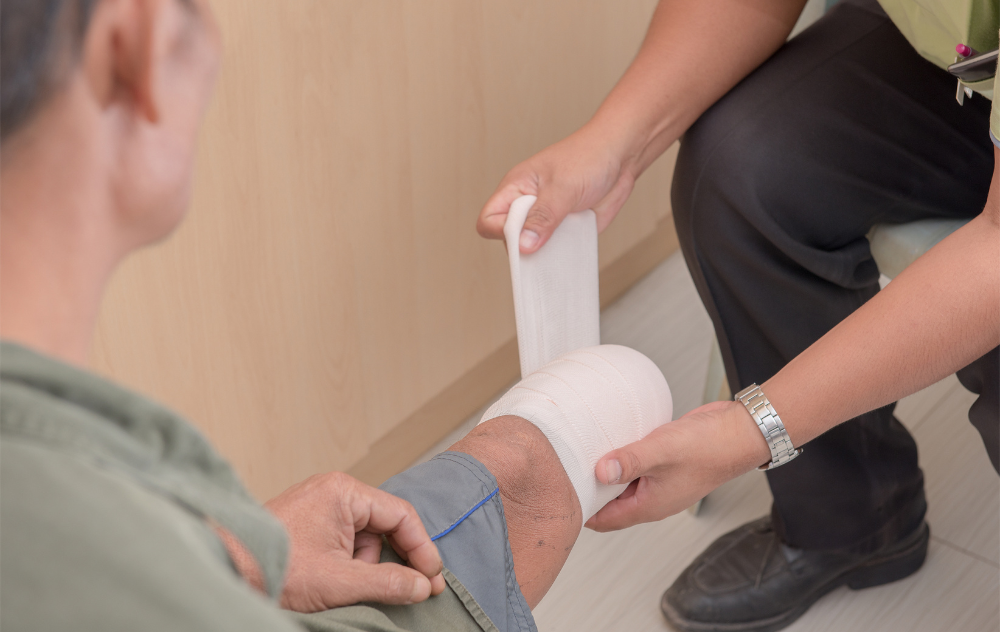
If PAD goes untreated and you miss the warning signs, it can become catastrophic. PAD can become deadly through a severe complication called gangrene (dead tissue that turns black due to zero blood supply).
When tissue dies, dangerous infections can spread through the bloodstream. To save a patient's life from systemic infection, a surgeon may have to resort to amputating the affected foot or leg. This is a severe outcome that USA Vascular Centers works hard to prevent by using advanced imaging—such as duplex ultrasound and angiography—to evaluate your arteries and determine the most effective treatment approach.
Warning Signs That PAD May Be Getting Worse
It is vital to monitor your peripheral artery disease symptoms daily. You should contact a specialist immediately if you experience:
- Noticeable numbness in the feet or toes that doesn't go away.
- Severe leg pain when walking (claudication) that now hurts even when you are resting.
- Slow-healing wounds on feet or legs that look dark, deep, or ulcerated.
- Shiny skin on your lower limbs, hair loss on your legs, or slowed toenail growth.
When to go to the ER for PAD: If you experience a sudden, severe loss of feeling in your leg, if your foot becomes cold to the touch and turns pale or blue, or if leg pain is accompanied by sudden chest pain or shortness of breath, seek emergency medical care immediately.
SCHEDULE A PAD SCREENING ONLINE TODAY
How Early Diagnosis and Treatment Can Reduce PAD Risks
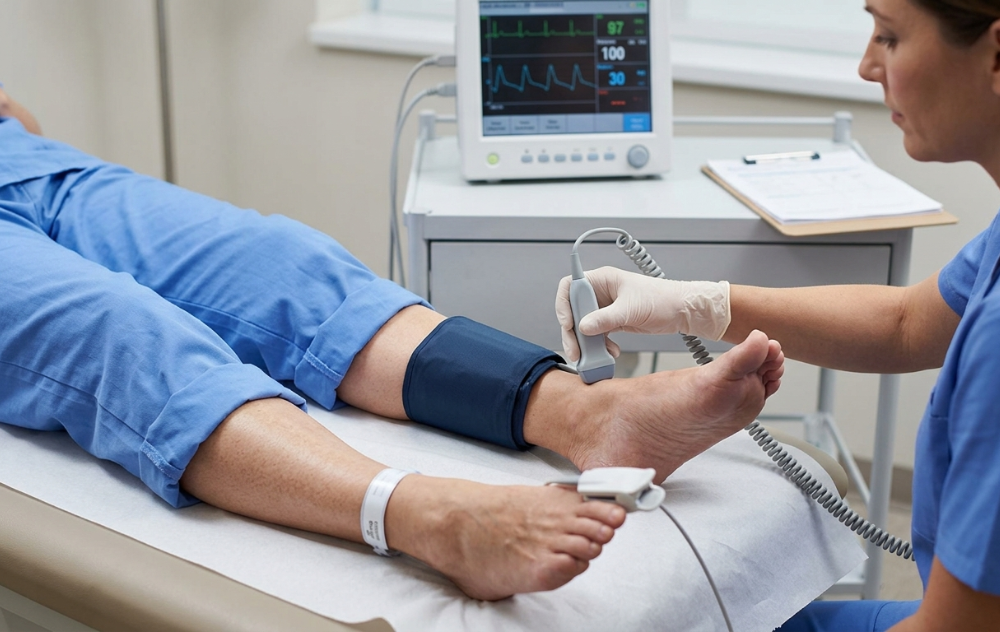
The most important takeaway is that advanced complications are entirely preventable. Modern peripheral artery disease treatment does not require invasive open surgery or lengthy hospital stays.
Today’s advanced PAD treatment options focus on non-surgical, minimally invasive treatments aimed at restoring blood flow in the legs. Vascular specialists using image-guided techniques can clear away plaque from the inside of the vessel, instantly improving your circulation, relieving chronic leg pain, and drastically reducing your long-term cardiovascular risks.
How USA Vascular Centers Can Help
At USA Vascular Centers, we believe that no one should have to live with the pain, fear, or limited mobility of a vascular condition. Our board-certified vascular experts specialize in early diagnosis and advanced, minimally invasive treatments designed to improve your circulation and stop plaque progression in its tracks.
We utilize state-of-the-art diagnostic ultrasound imaging to map out your arteries right in our clinics. To make your care as seamless as possible, we accept most major insurance plans, including Medicare and Medicaid, and handle the verification process for you at the time of scheduling. Don't let your symptoms progress—take control of your vascular health today.
FAQs
Can peripheral artery disease kill you?
Peripheral artery disease can rarely kill you directly; however, the underlying plaque buildup (atherosclerosis) can block blood flow to your heart or brain, significantly increasing your risk of a fatal heart attack or stroke.
How long can you live with blocked arteries in your legs?
Leaving blockages unmonitored allows the disease to advance, lowering life expectancy if severe cardiovascular complications develop. You can live a normal, long, and active life with early diagnosis, lifestyle adjustments, and proper medical care. However, leaving blockages unmonitored allows the disease to advance, lowering life expectancy if severe cardiovascular complications develop.
How long can you live with severe peripheral artery disease?
If your PAD condition advances to severe stages like critical limb ischemia (CLI), the long-term survival rate drops significantly. It is estimated that severe or untreated PAD can reduce life expectancy by 5 to 10 years from data tracking systemic atherosclerosis, according to the National Institutes of Health (NIH) PMC Database.
However, these statistics represent what happens when the disease is left to progress. Proactive, minimally invasive vascular treatments designed to restore your blood flow can completely alter this timeline—safeguarding your limbs, protecting your heart, and drastically improving your long-term outlook.
Is PAD considered a life-threatening condition?
PAD is considered a serious, life-threatening condition if it is left untreated. Because it indicates widespread arterial disease throughout the body, it requires ongoing management by a vascular specialist to prevent heart attacks, strokes, or amputations.