
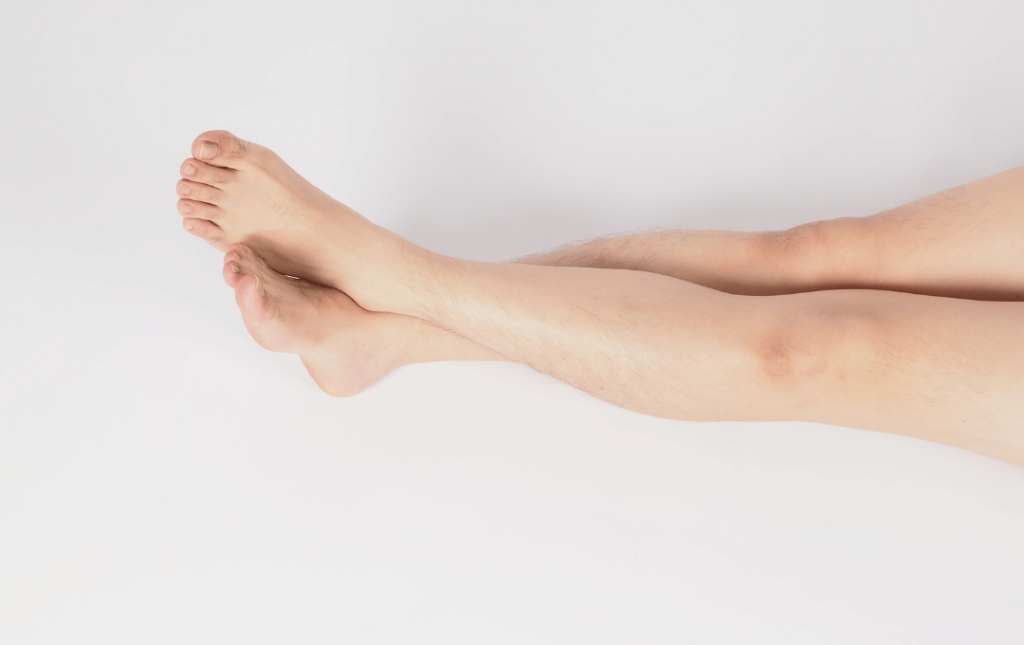
Most people associate hair loss with aging, hormones, or genetics. However, when hair begins disappearing from the legs, it may be a sign of an underlying circulation problem. One vascular condition that can contribute to leg hair loss is Peripheral Artery Disease (PAD).
If you’ve noticed thinning hair on your calves, shins, or feet, you may be wondering: How does PAD make you lose leg hair? The answer lies in how PAD affects blood flow throughout the lower extremities. Because healthy hair follicles rely on oxygen and nutrients delivered through the bloodstream, reduced circulation can interfere with normal hair growth.
Understanding this connection may help you recognize an early warning sign of vascular disease and seek treatment before complications develop.
What Is Peripheral Artery Disease (PAD)?
Peripheral Artery Disease is a circulatory condition that occurs when arteries become narrowed or blocked due to the buildup of plaque. Plaque consists of cholesterol, fat, calcium, and other substances that accumulate along artery walls over time.
As these arteries narrow, blood flow to the legs and feet decreases. Since blood carries oxygen and nutrients necessary for healthy tissue function, restricted circulation can affect muscles, skin, nerves, and even hair follicles.
PAD most commonly affects the lower extremities and becomes increasingly prevalent with age, especially among individuals who smoke or have diabetes, high blood pressure, or high cholesterol.
Why Hair Follicles Need Healthy Blood Flow
Hair follicles are living structures that depend on a steady supply of oxygen and nutrients to produce new hair growth.
Under normal circumstances, arteries carry oxygen-rich blood to the skin and underlying tissues of the legs. This continuous circulation supports healthy cell function and allows hair follicles to complete their natural growth cycles.
When circulation is reduced, the body prioritizes blood flow to essential tissues. Hair follicles may receive fewer nutrients than they need, slowing hair growth or causing existing hair to thin and eventually stop growing altogether.
How Does PAD Make You Lose Leg Hair?
PAD causes leg hair loss because narrowed arteries limit the amount of oxygen-rich blood reaching the skin and hair follicles.
Over time, chronic reductions in blood flow can affect the health of the follicles. As circulation worsens, hair may become thinner, grow more slowly, or disappear entirely in affected areas.
Hair loss associated with PAD most often develops gradually rather than suddenly. Many people first notice sparse hair growth on the lower legs, ankles, or feet before realizing there may be an underlying vascular issue.
Because the change usually occurs over months or years, it can easily go unnoticed until other PAD symptoms appear.
Hair Loss Is Often Accompanied by Other PAD Symptoms
Leg hair loss alone is not enough to diagnose Peripheral Artery Disease. However, it frequently occurs alongside other circulation-related symptoms.
Individuals with PAD may also experience:
- Leg pain while walking (claudication)
- Cramping in the calves, thighs, or buttocks
- Cold feet or lower legs
- Numbness or weakness
- Slow-healing wounds
- Shiny or smooth skin
- Changes in skin color
- Weak pulses in the feet
These symptoms occur because tissues throughout the lower extremities are receiving less blood than they need to function properly.
Why the Skin May Look Different
In addition to hair loss, PAD can cause noticeable changes to the appearance of the skin.
Poor circulation often causes the skin to become thin, shiny, or smooth. Some patients notice that their legs appear unusually pale when elevated or develop a darker, reddish color when lowered.
These changes occur because oxygen delivery to the tissues becomes compromised, affecting the normal health and appearance of the skin.
When combined with reduced hair growth, these changes may indicate that circulation should be evaluated by a vascular specialist.
Does Everyone With PAD Lose Leg Hair?
Not necessarily.
While leg hair loss is a recognized symptom of reduced circulation, not every person with PAD will experience it. The severity and location of symptoms depend on the extent of arterial narrowing and which blood vessels are affected.
Some individuals may primarily experience leg pain during activity, while others develop changes in skin texture, wound healing, or foot temperature before noticing hair loss.
For this reason, vascular specialists evaluate the complete pattern of symptoms rather than relying on any single sign.
Other Causes of Leg Hair Loss
Although PAD is one possible explanation, several other factors can contribute to hair loss on the legs.
These may include:
- Aging
- Friction from clothing or socks
- Hormonal changes
- Certain medications
- Autoimmune conditions
- Nutritional deficiencies
- Skin disorders
Because multiple conditions can affect hair growth, it’s important not to assume PAD is the cause without a proper medical evaluation.
However, when hair loss occurs alongside symptoms of poor circulation, further vascular testing may be appropriate.
How PAD Is Diagnosed
If a vascular specialist suspects Peripheral Artery Disease, several diagnostic tests may be performed to evaluate blood flow.
One of the most common tests is the Ankle-Brachial Index (ABI). This simple, noninvasive exam compares blood pressure measurements in the ankles and arms to determine whether circulation to the legs is reduced.
Additional testing may include:
- Vascular ultrasound
- Doppler studies
- CT angiography
- MR angiography
These tests help identify narrowed arteries and determine the severity of the disease.
Treatment Can Help Improve Circulation
Treatment for PAD focuses on restoring or improving blood flow to the affected areas.
Depending on the severity of the condition, treatment may include:
- Supervised exercise therapy
- Smoking cessation
- Management of cholesterol and blood pressure
- Medications
- Minimally invasive vascular procedures
Improving circulation helps reduce symptoms and may lower the risk of complications such as ulcers, infections, and limb-threatening ischemia.
While lost hair may not always fully regrow, addressing the underlying circulation problem can help support overall skin and tissue health.
When Should You See a Vascular Specialist?
You should schedule a vascular evaluation if leg hair loss occurs alongside symptoms such as:
- Leg pain while walking
- Cramping that improves with rest
- Cold feet
- Slow-healing wounds
- Skin discoloration
- Numbness or weakness
- Shiny skin on the legs
- Changes in foot or toe appearance
Early diagnosis can help identify PAD before circulation becomes significantly impaired.
The Bottom Line
So, how does PAD make you lose leg hair? Peripheral Artery Disease reduces blood flow to the lower extremities, limiting the oxygen and nutrients that hair follicles need to remain healthy. Over time, poor circulation can lead to thinning hair, reduced hair growth, and hair loss on the legs and feet.
Although hair loss alone does not confirm PAD, it may be an important warning sign when accompanied by leg pain, cramping, cold feet, or slow-healing wounds. A vascular evaluation can determine whether circulation problems are affecting your leg health and help you explore treatment options.