
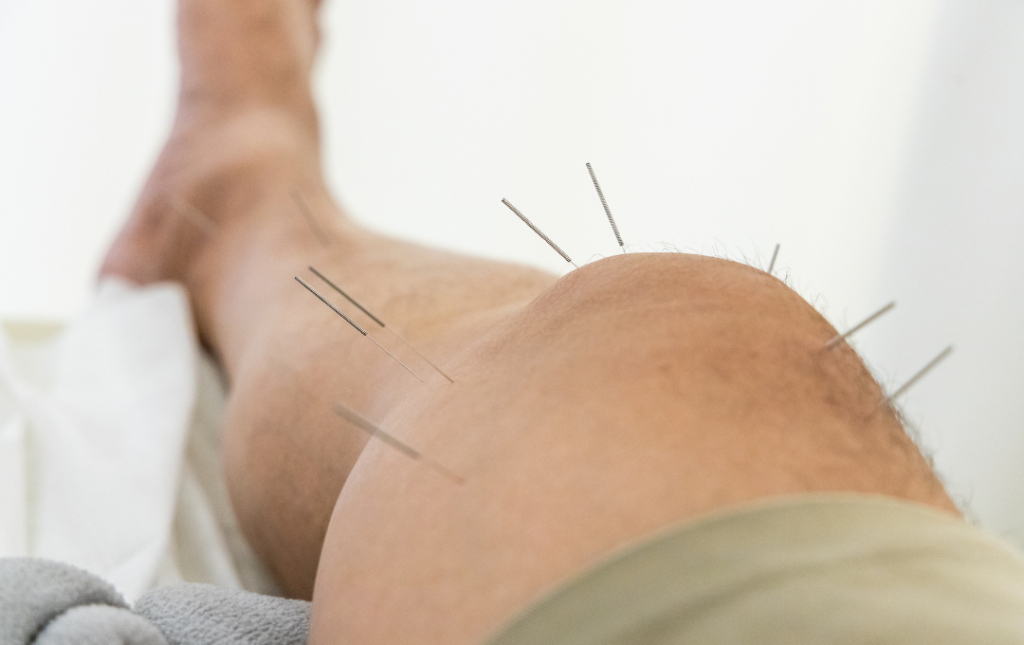
Have you ever sat on your foot for too long and felt that prickly, buzzing sensation as you stood up? Most of us know that feeling as “pins and needles,” but in the medical world, this tingling in the legs is known as paresthesia. It is often described as a mix of numbness, prickling, or a “crawling” sensation under the skin, ranging from mild annoyance to sharp, stinging discomfort.
While a limb “falling asleep” is usually just a temporary glitch in nerve communication due to pressure, persistent leg tingling shouldn’t be ignored. So, what does tingling in the legs mean when it happens frequently? Tingling serves as a vital sensory warning sign from your nervous system, signaling anything from circulation issues and vitamin deficiencies to more complex underlying conditions like neuropathy, nerve compression or peripheral artery disease (PAD). Understanding the “why” behind the tingling is the first step toward finding relief.
Recognizing Tingling Sensations in the Legs and Feet
A persistent tingling sensation in the legs and feet is a complex neurological signal that can range from a faint prickling to a disruptive electrical jolt. Recognizing the specific nature of your symptoms is the first step in identifying why your leg is tingly.
Common Sensations
- Tingling vs. Numbness: While tingling (paresthesia) feels like a prickling or vibrating sensation, numbness involves a partial or total loss of feeling in the affected area.
- Burning: In some cases, the tingling sensation in the legs may escalate to a sharp, hot, or burning pain, often associated with nerve irritation.
Patterns of Occurrence
- One Leg vs. Both: If the sensation is isolated to a single leg, it typically suggests a localized nerve compression (like sciatica). If it occurs symmetrically in both legs, it is more likely a systemic issue, such as circulation problems or a vitamin deficiency.
- Occasional vs. Constant: Fleeting tingling in the legs might occur simply because you sat in one position for too long, whereas constant tingling often indicates chronic nerve involvement.
Impact on Daily Life
Persistent leg tingling is more than just a nuisance; it can significantly disrupt your quality of life. It often leads to:
- Reduced Balance: Difficulty feeling your feet can increase the risk of trips and falls.
- Sleep Disturbances: Symptoms often intensify at night, making it hard to find a comfortable resting position.
- Fatigue: Managing chronic discomfort can drain your daily energy levels and limit your mobility.
Common Causes of Tingling in the Legs
That “pins and needles” sensation in your lower limbs often happens because you simply sat in an awkward position, while recurring tingling in the legs can stem from several underlying factors.
If you are experiencing persistent leg tingling, here are the most common causes:
- Nerve Compression: Often referred to as a limb “falling asleep,” this occurs when external pressure (like crossing your legs too long) or internal pressure (like a herniated disc) pinches a nerve.
- Poor Circulation: One of the primary causes of vascular tingling in the legs is a lack of adequate blood flow. When your vessels are constricted or blocked, your extremities are the first to feel the sensation.
- Diabetes: Over time, high blood sugar can cause peripheral neuropathy, a type of nerve damage that commonly presents as tingling in the lower legs and feet.
- Prolonged Sitting or Standing: Staying in one position for too long can pool blood in the lower extremities and compress nerves, causing that prickly feeling.
- Vitamin Deficiencies: A lack of B12, B6, or E can disrupt nerve signaling.
- Injury: Physical trauma to the back, hips, or legs can inflame tissues that press against nerves, resulting in chronic tingling.
If tingling is accompanied by sudden weakness, numbness, or difficulty speaking, immediate medical attention is needed, as these can be signs of a more serious neurological event or blockage.
When Tingling May Be a Sign of a Vascular Issue
While many people associate “pins and needles” with a foot falling asleep, persistent tingling in the feet and lower legs can often be a warning sign of a circulation issue. When your blood vessels are compromised, your nerves don’t receive the oxygen-rich blood they need to function. If symptoms keep returning, understanding whether leg tingling may be a result of PAD can help explain when reduced circulation may be contributing to the sensation.
The Role of Peripheral Artery Disease (PAD)
One of the most common vascular issues is peripheral artery disease (PAD). This condition occurs when plaque builds up in the arteries that carry blood to your extremities. Since the legs are furthest from the heart, they are often the first to feel the effects of reduced circulation.
- Restricted Blood Flow: As arteries narrow, the tingling sensation in the leg and foot may occur during physical activity or even while resting. If these changes in sensation consistently happen during activity, understanding why your feet go numb when you walk can provide more context on how reduced blood flow may affect the feet. Similarly, leg tingling after walking may be associated with circulation struggling to meet the increased demand for blood flow during activity.
- Warning Signs: If the tingling is accompanied by cold skin, cramping (claudication), numbness, skin discoloration or slow-healing sores, it’s likely a vascular issue rather than a simple pinched nerve.
Why Blood Flow Matters
Your nerves act like electrical wires; without a steady power supply (blood flow), the signals become distorted. Chronic tingling in the lower legs often indicates that the microvasculature, the tiny vessels feeding the nerve endings, is under stress. Over time, poor circulation can lead to permanent nerve damage if the underlying vascular cause isn’t addressed.
If you experience frequent tingling that doesn’t resolve by changing positions, it may be time to consult a vascular specialist.
Diagnosing the Cause of Tingling

When you experience a persistent tingling sensation in your leg and foot, getting an accurate diagnosis is the first step toward relief. Since the tingling in the legs can stem from various issues, ranging from simple nerve compression to complex circulatory problems such as PAD, a healthcare provider will typically perform a multi-step evaluation.
What Your Evaluation May Include:
- Physical & Neurological Exam: Your doctor will check for muscle strength, reflexes, and how you respond to different sensations (like touch or vibration) to pinpoint which nerves may be affected.
- Vascular Screening (ABI): To rule out peripheral artery disease (PAD), providers often use the ankle-brachial index (ABI). This test compares the blood pressure measured at your ankle with the blood pressure measured at your arm.
- Ultrasound: A Doppler ultrasound may be used to visualize blood flow through your arteries and veins, helping to identify blockages or clots that could be causing tingling in your lower legs.
- Imaging: If a spinal or structural issue is suspected (like a herniated disc), an MRI or CT scan can provide a detailed view of the bones and soft tissues.
- Laboratory Tests: Blood work is often ordered to check for underlying triggers such as vitamin deficiencies (specifically B12), diabetes (high blood sugar), or inflammatory markers.
- Electromography: Depending on the initial findings, you may be referred for advanced testing such as an EMG (electromyography) to measure muscle electrical activity.
Treatment Options for Tingling in the Legs From PAD
Treating the tingling sensation in the legs caused by peripheral artery disease (PAD) focuses on restoring blood flow and managing underlying risks. Since this sensation is a signal that your nerves aren’t receiving enough oxygen, treatment is tailored to the severity of the arterial blockage.
Conservative Management Options
Before considering surgical intervention, many patients can manage symptoms through conservative treatments designed to improve blood flow and overall vascular health
- Lifestyle Adjustments: Circulation can be improved with a heart-healthy diet to prevent further plaque buildup, and by not smoking.
- Targeted Medications: Antiplatelets or statins are typically prescribed to thin the blood and lower cholesterol, reducing the risk of clots.
- Physical Therapy: Supervised walking programs encourage the body to form “collateral circulation,” which can naturally bypass blockages to relieve tingling in the feet and lower legs.
Minimally Invasive Procedures
If symptoms persist, vascular specialists may recommend a minimally invasive treatment, like angioplasty or stenting, to physically open narrowed arteries and stop the tingling in legs.
- Angioplasty: A tiny balloon is inflated to open the artery and compress the plaque against the artery wall.
- Stent Placement: Following an angioplasty, a mesh stent may be placed in the area to prop the artery open.
- Atherectomy: Accumulated plaque is safely removed from the arterial walls using a thin tube with a specialized tip
When to See a Doctor About Tingling Legs

While a brief “pins and needles” feeling is common, you should seek medical advice to understand what tingling in the legs means when the sensation becomes persistent. If your leg is tingly and accompanied by sudden weakness, noticeable swelling, or changes in skin color and temperature, it could indicate a serious circulation issue. Persistent symptoms that don’t resolve with movement or that interfere with your daily activities are clear signals that your vascular health needs a professional evaluation.
Consult a specialist immediately if the tingling sensation in the legs is paired with sharp pain, difficulty walking, or slow-healing sores on your feet. These “red flags” often suggest that the nerves are not receiving adequate blood flow, potentially due to PAD. Addressing these symptoms early can prevent further complications and help you find a treatment plan that restores both sensation and mobility.
Don’t Ignore Persistent Leg Tingling
Constant or recurring tingling in the lower legs is often the body’s way of signaling that nerves are being deprived of oxygen due to restricted blood flow. Ignoring these early warning signs can lead to more severe complications, such as chronic pain, non-healing wounds, skin discoloration, or permanent nerve damage.
By taking action when you first notice a change in sensation, you can often slow down the symptoms of PAD and significantly improve your long-term vascular health and mobility.
Our experts at USA Vascular Centers specialize in diagnosing PAD and tailoring treatment plans to your specific needs. To explore our non-surgical solutions, call (888) 773-.2193 or book your consultation online today.
Schedule a Consultation Online
Frequently Asked Questions
Should I worry about leg tingling?
Whether leg tingling is something to worry about depends on the pattern. Occasional tingling from sitting in one position too long is usually harmless. However, you should be concerned if the tingling is persistent, occurs specifically when you are active, or is accompanied by symptoms like skin discoloration, numbness, and coldness, as these are classic signs of PAD.
How do I get rid of tingling in my legs?
To get rid of circulation-related tingling in the legs, lifestyle changes like walking more frequently and quitting smoking are highly effective. Medical treatments such as antiplatelet medications or minimally invasive procedures to open blocked arteries may be required for severe cases.
Can heart problems cause tingling in the legs?
Yes, heart problems can cause tingling in the legs. Since the vascular system is interconnected, conditions like congestive heart failure or atherosclerosis (which causes PAD) can lead to poor circulation. If the heart cannot pump blood efficiently to the extremities, it often manifests as a tingling or numb sensation in the feet and legs.