Hearing that you have peripheral artery disease can feel overwhelming. For many people, the first question is not just “What is PAD?” but “What happens now?” The answer depends on your symptoms, how much blood flow is reduced, and whether you have other cardiovascular risk factors to manage. In general, the next phase after a PAD diagnosis focuses on reducing symptoms, improving walking ability, lowering cardiovascular risk, and deciding whether you need lifestyle changes alone, medication, supervised exercise therapy, or a procedure.
A PAD diagnosis is not the end of the conversation. It is the start of a treatment plan. Many people begin with conservative care, especially if symptoms are mild or moderate. Others may need more advanced treatment if blood flow is significantly reduced or if symptoms are affecting daily life.
Step 1: Your Provider Looks at the Full Picture
After PAD is confirmed, the next step is usually to assess severity and overall vascular risk. That means looking beyond leg symptoms alone. PAD is linked to broader cardiovascular disease, so providers commonly focus on blood pressure, cholesterol, diabetes, smoking status, and other risk factors that can worsen arterial disease over time.
This matters because two patients can have the same diagnosis but very different treatment plans. One person may have early claudication and need a structured walking program plus risk-factor control. Another may have severe symptoms, nonhealing wounds, or chronic limb-threatening ischemia and need revascularization to help protect the limb.
Step 2: You May Be Asked to Make Lifestyle Changes Quickly
One of the first things that often happens after a PAD diagnosis is a strong push to address modifiable risk factors. CDC recommends avoiding tobacco, getting physical activity, and controlling high blood pressure, cholesterol, and diabetes. The American Heart Association similarly says treatment often centers on lifestyle changes, exercise, and medications to slow progression and improve symptoms.
For many patients, this means:
- quitting smoking
- becoming more physically active
- improving cholesterol and blood pressure management
- keeping diabetes under better control
- following up more closely on cardiovascular health
These steps may sound basic, but they are part of core PAD care, not just general wellness advice.
Step 3: Exercise Often Becomes Part of Treatment
A lot of people are surprised to learn that exercise is not just allowed after a PAD diagnosis. It is often recommended. NHLBI says physical activity often works well to relieve PAD symptoms and improve the ability to walk and do daily activities. Structured exercise is also a core component of care in the 2024 AHA/ACC PAD guideline.
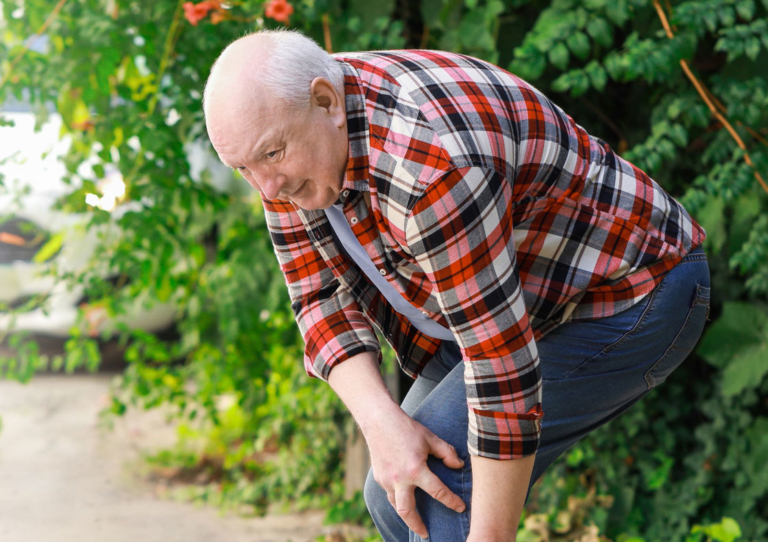
Walking-based exercise is especially important for people with intermittent claudication, the leg pain or cramping that happens with walking and improves with rest. In some cases, a provider may recommend supervised exercise therapy or a structured home-based program with coaching rather than telling a patient to simply “walk more.”
Step 4: Medication May Be Added to Lower Risk
What happens after a PAD diagnosis often includes medication, even if symptoms are not severe. According to the American Heart Association’s 2024 PAD guideline summary, medical therapy may include treatment to reduce blood clotting risk and manage cholesterol, blood sugar, and blood pressure to lower the chances of major cardiovascular events and limb complications.
The exact medications depend on the individual. A provider may discuss:
- cholesterol-lowering treatment
- blood pressure management
- diabetes treatment adjustments
- medicines aimed at reducing clot-related cardiovascular risk
- in some cases, medication to help with claudication symptoms
The important point is that PAD treatment is usually not only about the legs. It is also about reducing future vascular risk more broadly.
Step 5: Follow-Up Becomes Important
PAD is a chronic disease, so follow-up matters. After diagnosis, providers often monitor how symptoms respond to treatment, whether walking ability improves, and whether risk factors are being controlled. This is one reason treatment plans can change over time. A patient who initially starts with exercise and medical therapy may later need further testing or a procedure if symptoms worsen or daily function remains limited. That is an inference based on how NHLBI, Mayo Clinic, and the AHA describe PAD management as stepwise and symptom-dependent.
For patients with diabetes or foot concerns, follow-up can also include paying closer attention to skin changes, sores, or wound healing, since poor circulation can make foot problems harder to heal.
Step 6: Some People Need a Procedure
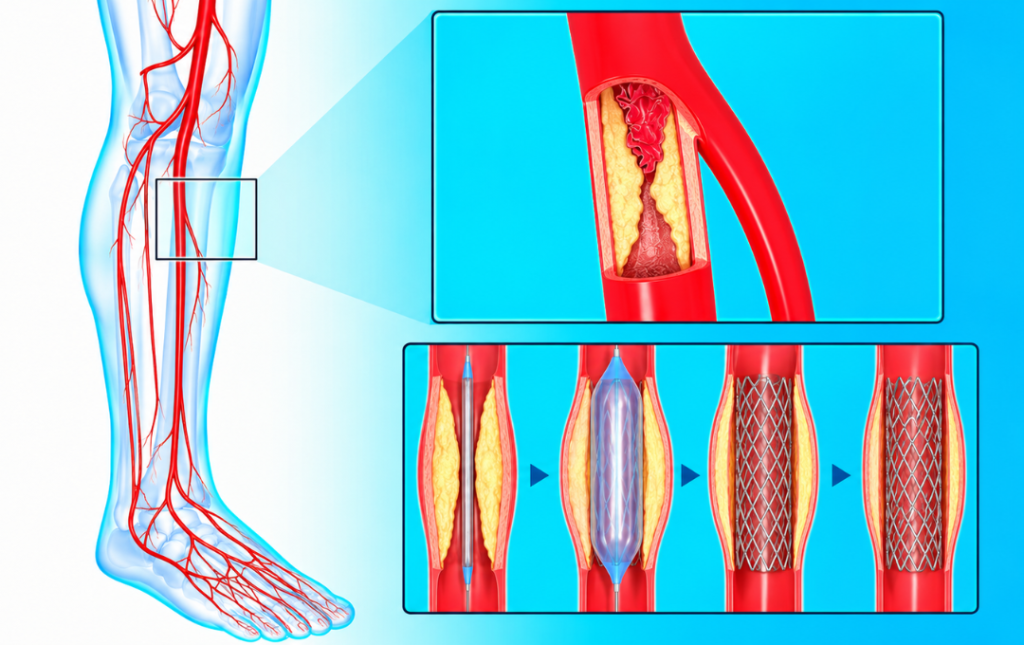
Not everyone with PAD needs a procedure right away. Many patients start with lifestyle changes, exercise, and medication. But if a narrowed artery is causing significant leg pain, limiting walking, or threatening the health of the limb, Mayo Clinic says treatment may include angioplasty and stent placement, thrombolytic therapy in certain clot-related situations, or surgery in more severe cases.
The 2024 AHA/ACC guideline goes further for severe disease, stating that revascularization should be used to prevent limb loss in people with chronic limb-threatening ischemia and can also be used to improve quality of life and function when claudication does not respond adequately to guideline-directed therapy, including structured exercise.
What If Your Symptoms Are Mild?
If your PAD symptoms are relatively mild, what happens after diagnosis may be less dramatic than you expect. You may be advised to start exercise therapy, improve cardiovascular risk factors, and watch for symptom progression rather than move directly to an intervention. The American Heart Association says that in many cases, lifestyle changes, exercise, and claudication medications are enough to slow progression or improve symptoms.
That said, “mild” does not mean “ignore it.” Even early PAD deserves attention because it is associated with higher cardiovascular risk overall.
What If You Have More Severe PAD?
The path is different when PAD is more advanced. Rest pain, nonhealing wounds, and limb-threatening ischemia raise the stakes and usually require prompt vascular care. Mayo Clinic notes that severe PAD can cause pain at rest and nonhealing sores, and the AHA/ACC guideline emphasizes revascularization to prevent limb loss in chronic limb-threatening ischemia.
This is why the next step after diagnosis is not identical for every patient. The treatment path depends on both symptoms and severity.
What Patients Can Do After a PAD Diagnosis
If you have just been diagnosed, it helps to focus on what is actionable. Good next questions for your provider may include:
- How severe is my PAD?
- Is exercise therapy recommended for me?
- Do I need medication now?
- What symptoms should prompt a call right away?
- How often do I need follow-up?
- Am I a candidate for a minimally invasive procedure?
Those are practical questions because PAD care is typically ongoing, not one single treatment decision. That structure reflects the way major guidance frames PAD management around symptom control, exercise, medical therapy, monitoring, and revascularization when needed.
What Happens After a PAD Diagnosis? Final Answer
What happens after a PAD diagnosis usually includes a combination of risk-factor control, exercise therapy, medication, and follow-up. Some people improve with conservative care alone. Others may need minimally invasive treatment or surgery if symptoms are severe or circulation is significantly impaired. The right next step depends on how advanced the disease is and how much it is affecting your mobility, comfort, and limb health.
A PAD diagnosis can feel serious, but it also creates an opportunity to treat symptoms earlier and reduce future vascular risk. If you have questions about what your diagnosis means for daily life or treatment, a vascular specialist can help map out the next step.
FAQs
What is the first treatment after a PAD diagnosis?
For many patients, early treatment includes lifestyle changes, exercise therapy, and medication to manage risk factors and symptoms. The exact plan depends on severity and symptoms.
Do all patients with PAD need surgery?
Many people start with conservative care such as exercise, medication, and risk-factor management. Procedures are more likely when symptoms are severe, function is limited, or limb health is at risk.
Can exercise help after a PAD diagnosis?
Structured exercise, especially walking-based programs, is a core part of PAD care and can improve walking ability and symptoms for many patients.
Why do I need follow-up after being diagnosed with PAD?
PAD is a chronic disease, and follow-up helps monitor symptoms, walking ability, wound healing, and control of risk factors such as cholesterol, blood pressure, diabetes, and smoking.