

If you are experiencing leg pain, cramping while walking, or slow-healing sores on your feet, you may be searching for the best treatment for peripheral artery disease (PAD). Because PAD is a progressive condition caused by the buildup of plaque in the arteries, there is no “one-size-fits-all” cure. Instead, the best treatment for PAD is a personalized combination of lifestyle changes, medication, and advanced, minimally invasive procedures.
The goal of treatment is twofold: to manage painful symptoms like claudication and to reduce the risk of serious complications, such as heart attack, stroke, or limb loss.
Lifestyle and Medication Treatment for PAD
For many patients, the journey toward recovery begins with conservative management. These peripheral artery disease treatment options focus on slowing the progression of atherosclerosis (plaque buildup) and improving cardiovascular health.
Standard medical management often includes:
- Smoking Cessation: This is perhaps the most critical step, as tobacco use is the leading risk factor for PAD progression.
- Structured Exercise Programs: Walking programs can help the body develop “collateral circulation,” where smaller blood vessels take over for blocked ones.
- Medication: Doctors may prescribe antiplatelet medications (like aspirin), cholesterol-lowering statins, or blood pressure medication to manage systemic risks.
While lifestyle and medication are the first-line treatment for peripheral arterial disease, they may not be enough for patients with moderate to advanced blockages. It is vital to seek medical intervention early; what happens if PAD goes untreated can be devastating, leading to critical limb ischemia (CLI) and potential amputation.
Minimally Invasive Peripheral Artery Disease Treatment Options
When lifestyle changes and medications aren’t enough to restore blood flow, minimally invasive procedures are often considered the best treatment for peripheral artery disease. These outpatient treatments are popular because they do not require large surgical incisions, general anesthesia, or long hospital stays.
The benefits of outpatient care for peripheral artery disease (PAD) include a lower risk of infection and a much faster return to daily activities compared to traditional bypass surgery.
Angioplasty
Angioplasty is a primary peripheral artery disease treatment used to open narrowed arteries. During this procedure, a vascular specialist inserts a tiny catheter with a balloon at the tip into the blocked artery. Once in place, the balloon is inflated to compress the plaque against the artery wall, widening the passage for blood flow.
Stent Placement
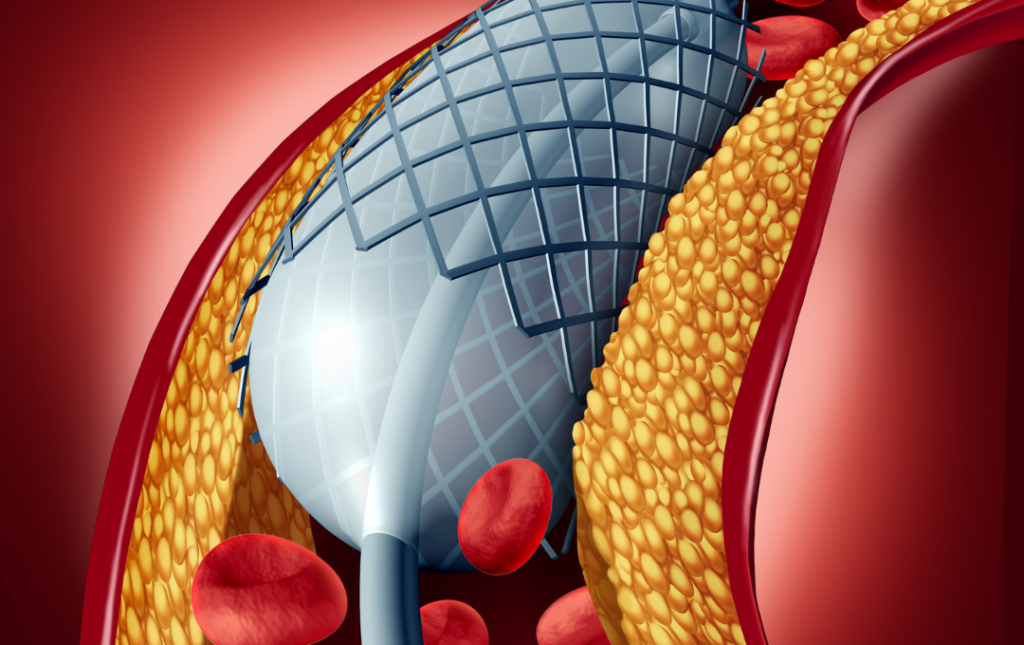
Often performed alongside angioplasty, stent placement involves inserting a small, mesh metal tube into the artery. The stent acts as a permanent scaffold, keeping the artery propped open to ensure long-term circulation. This is frequently the most effective and best treatment for peripheral artery disease when an artery is prone to re-narrowing.
Atherectomy
When plaque is particularly hardened (calcified), an atherectomy may be necessary. Instead of just pushing the plaque aside, this procedure uses a specialized catheter with a sharp blade or laser to safely shave away or vaporize the plaque, “cleaning” the artery from the inside out.
Why Choosing the “Best” Treatment for PAD Requires a Specialist Evaluation
While you may read about various treatments for peripheral artery disease, the “best” one is entirely dependent on your unique vascular anatomy, the location of the blockages, and your overall health.
A vascular specialist must perform a comprehensive evaluation, typically including an ankle-brachial index (ABI) test or an ultrasound, to assess the severity of the disease. Only through a professional consultation can an individualized treatment plan be created to ensure you receive the most durable and effective results.
Find the Right PAD Treatment at USA Vascular Centers
At USA Vascular Centers, we believe the best treatment for PAD is the one that allows you to get back to your life without the burden of leg pain. Our team of highly skilled vascular doctors specializes in the latest image-guided, minimally invasive procedures designed to restore your mobility and protect your health.
Don’t let PAD progress until it limits your independence. Take the first step toward better circulation and explore your peripheral artery disease treatment options today.
Schedule a Consultation at USA Vascular Centers
FAQs About The Best Treatment for Peripheral Artery Disease
What is the first-line treatment for peripheral arterial disease?
The first-line treatment for peripheral arterial disease typically involves lifestyle modifications, such as smoking cessation and a supervised exercise program, alongside medications to manage blood pressure and cholesterol.
What is the standard treatment for peripheral artery disease?
The standard treatment for peripheral artery disease depends on the stage of PAD. For early PAD stages, medical management is the primary treatment. For symptomatic or advanced PAD, the standard involves minimally invasive revascularization like angioplasty, stenting, or atherectomy.
What is the most effective treatment for PAD?
The most effective treatment for PAD is a combination approach between proper treatment and lifestyle changes. Minimally invasive procedures are highly effective at restoring immediate blood flow, but long-term success requires maintaining a healthy lifestyle and following a specialist’s personalized care plan.