
When people experience leg pain, swelling, cramping, or circulation problems, they often assume there is a single underlying cause. However, several vascular conditions can affect blood flow in the legs, and two of the most common are Peripheral Artery Disease (PAD) and Chronic Venous Insufficiency (CVI).
Although both conditions involve the circulatory system and can cause discomfort in the lower extremities, they affect different blood vessels and require different treatment approaches. Understanding the difference between PAD and CVI can help you recognize symptoms early and seek appropriate vascular care.
Understanding How Blood Flows Through the Legs
The circulatory system relies on two types of blood vessels: arteries and veins.
Arteries carry oxygen-rich blood from the heart to the muscles, organs, and tissues throughout the body. Veins then return oxygen-depleted blood back to the heart.
Peripheral Artery Disease (PAD) affects the arteries, while Chronic Venous Insufficiency (CVI) affects the veins. This distinction is important because it influences the symptoms patients experience and how vascular specialists diagnose and treat each condition.
What Is Peripheral Artery Disease (PAD)?
Peripheral Artery Disease occurs when arteries become narrowed or blocked, usually due to the buildup of fatty deposits known as plaque. This process, called atherosclerosis, restricts blood flow to the legs and feet.
When muscles and tissues do not receive enough oxygen-rich blood, symptoms can develop, especially during physical activity.
PAD is considered a serious vascular condition because it increases the risk of heart attack, stroke, and limb-threatening complications if left untreated.
Common Symptoms of PAD
Many people with early PAD may not notice symptoms immediately. As circulation becomes more restricted, symptoms often become more noticeable.
Common PAD symptoms include:
- Leg pain while walking that improves with rest (claudication)
- Cramping in the calves, thighs, or buttocks
- Numbness or weakness in the legs
- Cold feet or lower legs
- Slow-healing wounds on the feet or toes
- Changes in skin color
- Reduced hair growth on the legs
- Pain in the feet while resting in more advanced cases
Because PAD reduces blood flow, symptoms often worsen during activity when muscles require more oxygen.
What Is Chronic Venous Insufficiency (CVI)?
Chronic Venous Insufficiency is a vein condition that occurs when the valves inside the veins become weakened or damaged. These valves normally help move blood back toward the heart.
When the valves fail to function properly, blood begins to pool in the legs rather than circulating efficiently. This pooling increases pressure inside the veins and can lead to a wide range of symptoms.
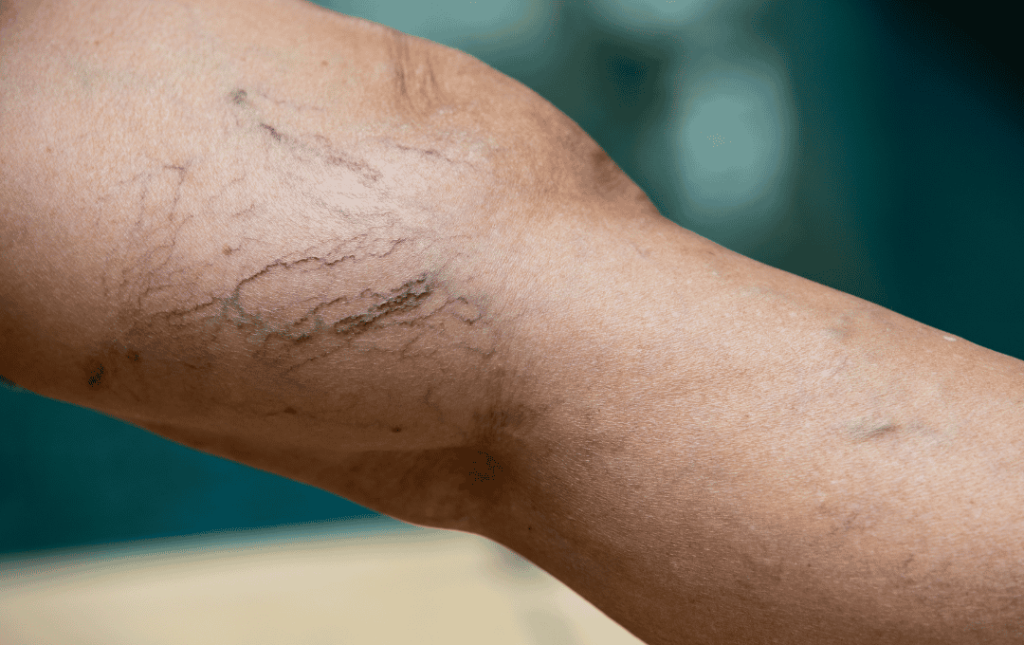
CVI is one of the most common vascular disorders and is frequently associated with varicose veins and chronic leg swelling.
Common Symptoms of CVI
Unlike PAD, which results from reduced blood flow into the legs, CVI develops because blood has difficulty leaving the legs and returning to the heart.
Symptoms often include:
- Leg swelling
- Aching or heaviness in the legs
- Varicose veins
- Burning sensations
- Leg fatigue
- Itching around veins
- Skin discoloration near the ankles
- Cramping
- Symptoms that worsen after prolonged standing or sitting
Patients often report that symptoms become more noticeable later in the day as blood continues to pool in the lower extremities.
The Primary Difference Between PAD and CVI
The simplest way to understand the difference between PAD and CVI is to look at the type of blood vessel affected.
PAD affects arteries, which carry blood away from the heart. Blockages in these arteries reduce blood flow to the legs and feet.
CVI affects veins, which return blood to the heart. Damaged vein valves allow blood to pool in the legs, creating pressure and discomfort.
While both conditions involve circulation issues, the underlying causes are very different.
How Symptoms Compare
Although PAD and CVI can both cause leg discomfort, their symptoms often differ in important ways.
PAD is more likely to cause pain during walking or exercise because muscles are not receiving enough oxygen-rich blood. Many patients notice that symptoms improve after resting.
CVI symptoms tend to worsen after long periods of standing or sitting. Swelling, heaviness, aching, and visible varicose veins are far more common in venous disease than in arterial disease.
Understanding these symptom patterns often helps vascular specialists narrow down the diagnosis.
Can You Have Both PAD and CVI?
Yes. Some patients are diagnosed with both PAD and CVI simultaneously.
This is particularly common among older adults and individuals with multiple cardiovascular risk factors. When both conditions exist together, symptoms may overlap, making professional evaluation especially important.
Because treatment approaches differ, accurately identifying which condition is causing symptoms is essential for developing an effective care plan.
Risk Factors for PAD and CVI
While PAD and CVI have different causes, they share some common risk factors.
Risk factors for PAD include:
- Smoking
- Diabetes
- High blood pressure
- High cholesterol
- Obesity
- Family history of vascular disease
- Advanced age
Risk factors for CVI include:
- Family history of vein disease
- Pregnancy
- Obesity
- Prolonged standing or sitting
- Lack of physical activity
- Aging
- Previous blood clots
Understanding your risk factors can help you take proactive steps to protect your vascular health.
How Vascular Specialists Diagnose PAD and CVI
Vascular specialists use different diagnostic tools depending on the suspected condition.
For PAD, providers often perform an Ankle-Brachial Index (ABI) test, which compares blood pressure in the ankles and arms. Ultrasound imaging and other vascular studies may also be used to evaluate blood flow through the arteries.
For CVI, a venous ultrasound is commonly performed to assess blood flow and determine whether vein valves are functioning properly.
These noninvasive tests provide valuable information that helps guide treatment recommendations.
Treatment Options for PAD and CVI
Treatment depends on the condition and severity of symptoms.
PAD treatment often focuses on improving arterial blood flow through lifestyle modifications, medications, supervised exercise programs, and minimally invasive vascular procedures when necessary.
CVI treatment may include compression therapy, lifestyle changes, and minimally invasive vein treatments designed to improve circulation by closing malfunctioning veins and redirecting blood flow to healthier vessels.
Early diagnosis and treatment can help prevent complications and improve quality of life for both conditions.
When Should You See a Vascular Specialist?
You should schedule a vascular evaluation if you experience:
- Leg pain while walking
- Persistent leg swelling
- Varicose veins
- Slow-healing foot wounds
- Leg heaviness or fatigue
- Cramping that frequently returns
- Changes in skin color
- Cold feet or lower legs
Many vascular conditions become more manageable when detected early, before symptoms progress.
The Bottom Line
Understanding the difference between PAD and CVI starts with knowing which blood vessels are affected. PAD is an artery disease that reduces blood flow to the legs, while CVI is a vein condition that causes blood to pool in the lower extremities.
Although both conditions can affect circulation and leg health, they have distinct symptoms, causes, and treatment options. If you’re experiencing leg pain, swelling, heaviness, or other circulation-related concerns, a vascular specialist can help determine the cause and recommend the most appropriate treatment plan.