
Medically reviewed by
USA Clinics Medical Review Team
Vascular Health Education Experts Reviewed: July 2026
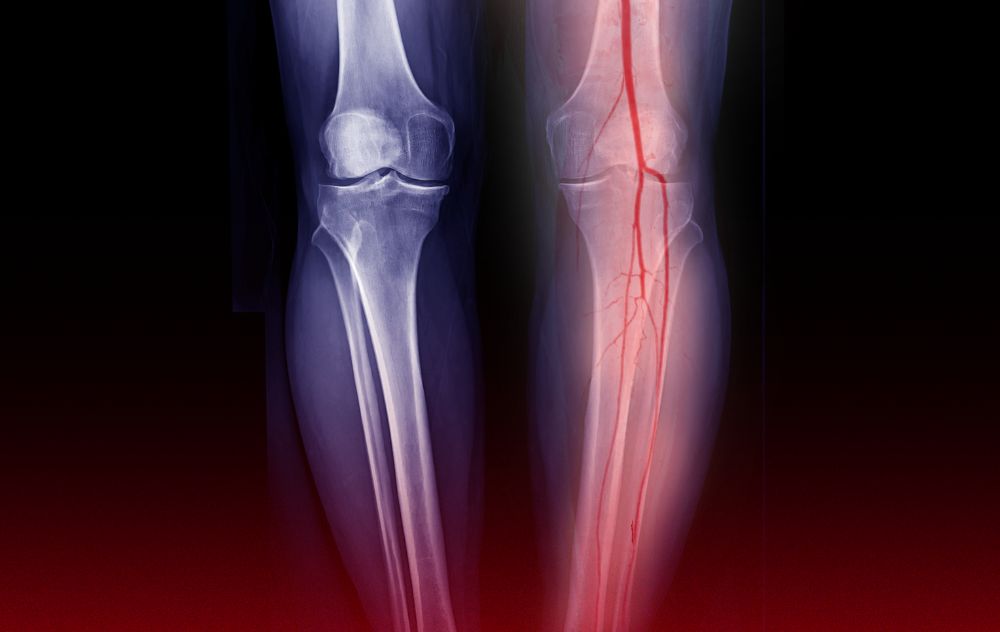
Pain in your leg arteries is most often a sign of peripheral artery disease (PAD), a condition in which narrowed or blocked arteries reduce the amount of oxygen-rich blood reaching your leg muscles. This restriction in blood flow can lead to discomfort, especially during physical activity, and may gradually worsen over time if left untreated. While some people may initially dismiss this pain as simple muscle fatigue or aging, arterial leg pain is typically a warning sign of an underlying circulation problem that requires attention.
Unlike ordinary leg cramps or soreness from exercise, PAD-related pain tends to follow a pattern. It often begins when walking, climbing stairs, or being active and improves with rest. Over time, symptoms can progress, making it more difficult to stay active and affecting overall mobility and quality of life. Recognizing these differences early is important, as timely evaluation can help prevent complications.
We aim to help you better understand what causes leg artery pain, how it differs from common muscle cramping, and which symptoms should not be ignored. You will also learn about the warning signs that signal the need for prompt medical evaluation, as well as how vascular specialists identify circulation issues through noninvasive testing and clinical assessment. Most importantly, understanding PAD empowers patients to take action early, helping protect both their leg health and overall cardiovascular well-being.
What Causes Pain in Leg Arteries
Peripheral artery disease develops when plaque builds up inside the arteries that carry blood to the legs. As the arteries narrow, less oxygen-rich blood reaches the leg muscles and tissue. That reduced flow is what produces the ache, cramping, or heaviness patients describe as leg pain from PAD. It also causes heaviness in your thighs, buttocks and calves.
The pain can show up in different ways depending on how narrow the artery has become and how active you are at the time. Some patients notice it only during exercise, while others feel it even while sitting or lying down.
Common PAD Symptom – Claudication
The classic PAD symptom is called claudication, but blockages can cause several other signs in your legs and feet:
- Pain with movement: Cramping in the legs or buttocks that consistently begins with walking or climbing stairs.
- Pain at rest: Burning or aching pain in the feet or toes, especially when lying flat in bed at night.
- Physical changes: Slow-growing toenails, hair loss on the lower legs, or smooth, shiny skin.
- Temperature and color: The affected leg or foot may feel cool to the touch, or appear pale or bluish.
- Slow-healing wounds: Sores or ulcers on the feet or toes that take a long time to heal or do not heal at all.
Why PAD Matters When Having Pain in Leg Arteries
PAD is important to recognize because it reflects a deeper problem affecting the entire vascular system, not just the legs. The same plaque buildup that limits blood flow in the lower extremities is often present in arteries supplying the heart and brain, which is why PAD is closely associated with serious cardiovascular events. Patients with PAD have a significantly higher risk of developing coronary artery disease and cerebrovascular disease, increasing the likelihood of heart attack and stroke over time.
In addition to these life-threatening risks, PAD can progressively worsen circulation in the legs, leading to chronic pain, reduced mobility, and impaired quality of life. In advanced stages, severely restricted blood flow may result in tissue damage, infection, or gangrene, which can ultimately require limb amputation if left untreated. Because PAD is often underdiagnosed or mistaken for normal aging or muscle pain, early detection and proper management are critical to preventing long-term complications and protecting both limb health and overall cardiovascular health.
Rest Pain vs Claudication: Knowing the Difference
Claudication is leg pain that develops during walking or activity and typically eases after a few minutes of rest. Rest pain, by contrast, occurs even when you are not moving. Rest pain is associated with more advanced narrowing of the arteries and is a stronger signal that evaluation should not be delayed.
Warning Signs That Need Prompt Attention
Leg artery pain on its own is worth discussing with a doctor, but certain accompanying signs point to a more urgent situation. These may include:
- Skin changes – skin on the leg or foot that looks pale, dark, or discolored.
- Temperature difference – coldness in one leg compared with the other.
- Slow-healing sores – wounds on the foot or lower leg that are slow to heal.
- Numbness – a persistent pins-and-needles feeling in the leg or foot.
If you notice any of these along with leg artery pain, a same-week evaluation with a vascular specialist is a reasonable next step.
Does Nighttime Make Leg Artery Pain Worse?
Some patients notice their leg artery pain becomes more noticeable at night, once they are lying flat and gravity is no longer assisting blood flow to the legs. This pattern deserves its own closer look.
See our blog, Why Do I Have Leg Pain at Night, for a detailed look at nighttime leg pain and PAD.
Vascular health check
Lifestyle changes help. They do not reopen a narrowed artery.
Walking programs, diet, and quitting smoking can support circulation and may ease mild symptoms of PAD.
When narrowing is more advanced, a vascular specialist can evaluate whether a minimally invasive, outpatient option such as angioplasty, stent placement, or atherectomy may help restore blood flow.
How Vascular Specialists Diagnose Arterial Leg Pain
A vascular specialist typically starts with an ankle-brachial index (ABI) test, which compares blood pressure readings at the ankle and the arm to check how well blood is flowing to the legs. Additional imaging, such as ultrasound, may be used to see exactly where an artery has narrowed.
If PAD is confirmed, treatment options can include lifestyle changes, medication, or a minimally invasive procedure. At USA Vascular Centers, our specialists may recommend angioplasty, stent placement, or atherectomy, depending on the location and severity of the blockage. See the difference between claudication and rest pain for more on how symptom pattern factors into diagnosis.
Frequently Asked Questions
Next step
Understand your PAD risk before symptoms progress.
A vascular specialist can help determine whether your leg artery pain is related to PAD and outline options tailored to your circulation.
- Cleveland Clinic. “Peripheral Artery Disease.” my.clevelandclinic.org/health/diseases/17357-peripheral-artery-disease-pad
- WebMD. “Peripheral Artery Disease (PAD) and Sleep.” webmd.com/heart-disease/peripheral-artery-disease-sleep
- Mayo Clinic. “Peripheral artery disease (PAD) – Symptoms and causes.” mayoclinic.org/diseases-conditions/peripheral-artery-disease/symptoms-causes/syc-20350557
Medical disclaimer: This content is provided for educational purposes only and is not a substitute for professional medical advice, diagnosis, or treatment. Always consult a qualified vascular specialist regarding any questions about your circulatory health.