
Medically reviewed by
Dr. Yan Katsnelson, M.D.
Founder and Cardiothoracic Surgeon
Reviewed: September 2026
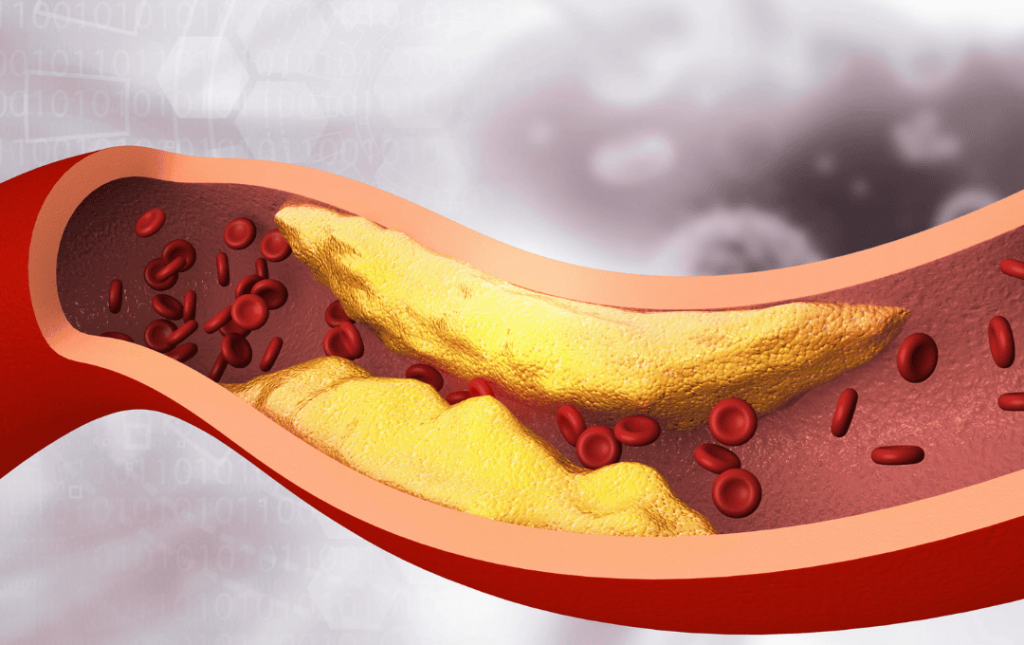
Calcium is an essential mineral naturally occurring in the body, vital for building strong bones and supporting metabolic functions. However, when calcium accumulates where it shouldn’t—such as inside blood vessel walls—it forms hard deposits alongside cholesterol and fatty materials. Over time, these clogged arteries and PAD (Peripheral Artery Disease) become closely linked, as calcium deposits stiffen arterial walls and restrict vital blood flow to your legs and lower extremities. Understanding how vascular calcification develops is key to recognizing how it directly contributes to arterial disease and mobility issues.
What Is Peripheral Artery Disease (PAD)?
Peripheral Artery Disease (PAD) is a common circulatory condition where narrowed arteries reduce blood flow to the extremities, most frequently the legs. It occurs when fatty deposits, cholesterol, and calcium accumulate along arterial walls to form plaque—a progressive process known as atherosclerosis. As the blood vessels narrow, muscles and tissues fail to receive adequate oxygen and nutrients, especially during physical activity. If left unmanaged, PAD can severely limit mobility and lead to chronic pain or limb loss.
What Causes Calcium Deposits in Arteries?
Calcium deposits develop when fatty plaque collects along tissue and arterial walls. Under certain inflammatory conditions, vascular smooth muscle cells can shift, acting similarly to bone-forming cells by laying down rigid calcium structures within the vessels.
Several health factors accelerate this mineral accumulation, including chronic inflammation, infections, genetic disorders, autoimmune conditions, calcium metabolism disorders, and chronic kidney disease. General aging, physical inactivity, nutritional imbalances, and tobacco use also directly contribute to arterial stiffening.
“Calcium buildup can lead to serious health complications, which become evident as symptoms arise,” notes Dr. Yan Katsnelson, founder of USA Vascular Centers.
The Health Risks of Clogged Arteries
Elevated calcium levels inside blood vessel walls increase the risk of severe systemic health issues. Calcium deposits in heart arteries elevate heart attack risks, while calcification in brain vessels can lead to dizziness, memory loss, and stroke. In the lower extremities, calcification starves leg muscles of oxygen, resulting in painful cramps, numbness, and non-healing ulcers.
While some vascular changes occur naturally with age, adopting heart-healthy habits—such as regular exercise, quitting smoking, reducing sodium, and adding nutrient-rich vegetables—can help manage cardiovascular risks and protect your arteries.
Vascular health check
Don’t let calcified leg arteries limit your mobility. Check your circulation today.
An Ankle-Brachial Index (ABI) test compares blood pressure in your ankle and arm to identify blockages caused by plaque and calcium buildup.
Our vascular specialists can evaluate your symptoms and design a personalized plan to improve blood flow and protect your legs.
Diagnostic Tests for Clogged Arteries and PAD
If you suspect clogged arteries and PAD or experience leg pain while walking, vascular specialists use advanced diagnostic tests to determine the location and severity of arterial blockages:
Ankle-Brachial Index (ABI): Compares blood pressure in your ankle and arm using Doppler ultrasound to detect reduced lower-leg blood flow.
Duplex Ultrasound: Employs high-frequency sound waves to visualize arterial structures and measure blood flow velocity.
CT & MRI Angiography: Provides detailed cross-sectional imaging to locate hard calcium deposits inside leg blood vessels.
Catheter Angiography: Uses contrast dye to visualize the degree of calcification in specific vessels, such as the superficial femoral or tibial arteries.
Exercise Stress Test: Monitors leg discomfort and blood pressure response during structured treadmill walking.
Modern Non-Surgical Treatments for PAD
At USA Vascular Centers, minimally invasive image-guided procedures can restore proper circulation without complex open surgery:
Angioplasty: A small catheter with a balloon tip is navigated to the blockage and inflated to press plaque outward, opening the narrowed artery.
Stent Placement: A tiny mesh tube (stent) is placed at the blockage site during angioplasty to support the vessel wall and maintain long-term blood flow.
Atherectomy: A specialized device gently shaves or vaporizes hardened plaque and calcium deposits from arterial walls, reopening tight blockages.
Next step
Take control of your vascular health before symptoms worsen.
If you experience leg pain, fatigue, or cold feet, schedule an appointment with an experienced vascular doctor near you.
Frequently Asked Questions
Medical disclaimer: This content is provided for educational purposes only and is not a substitute for professional medical advice, diagnosis, or treatment. Always consult a qualified vascular specialist regarding any questions about your circulatory health.