
Can exercise help early PAD symptoms? In many cases, yes. Exercise is a well-established part of treatment for peripheral artery disease (PAD), especially for people with intermittent claudication, the leg […]
Read More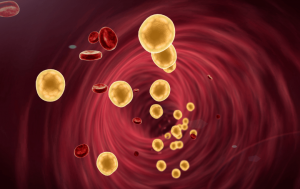
High cholesterol can affect your leg arteries by contributing to plaque buildup inside the artery walls, a process called atherosclerosis. As plaque builds up, arteries can become narrower and blood […]
Read More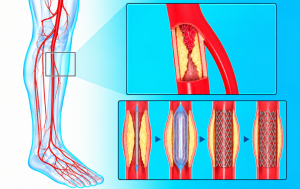
Hearing that you have peripheral artery disease can feel overwhelming. For many people, the first question is not just “What is PAD?” but “What happens now?” The answer depends on […]
Read More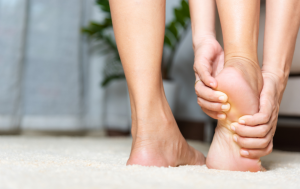
National Neuropathy Awareness Week (May 3–9) is an important reminder to listen to what your legs are telling you. Persistent tingling, numbness, pain, and cramping in the legs are often associated with nerve problems such as peripheral neuropathy, but these […]
Read More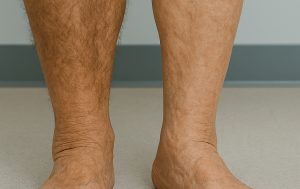
If you have noticed that you are losing hair on your legs, you may assume it is happening because you’re getting older. If you don’t feel any different or notice other symptoms, it is easy to brush it off without considering more serious underlying issues. Even without detectable symptoms, you may have developed a condition known as peripheral artery disease (PAD).
Read More
We often think of heart conditions and circulatory issues as separate ailments. However, since the human body is an interconnected network, what affects one system can have repercussions elsewhere. One […]
Read More
Peripheral artery disease (PAD) affects the arteries that supply blood to the lower extremities. Like the coronary arteries supplying the heart, these peripheral arteries can become clogged with plaque—a buildup […]
Read More