Medically reviewed by
USA Clinics Medical Review Team
Vascular Health Education Experts
Reviewed: November 2026
Clogged arteries from PAD cannot be fully reversed naturally, but their effects on your legs often can be improved. Peripheral artery disease (PAD) develops when plaque builds up inside the arteries that carry blood to your legs and feet. Once that plaque hardens, diet or exercise alone can not dissolve it.
Lifestyle changes such as walking, a healthy diet, and quitting smoking can still make a real difference. These changes will not clear out existing blockages, but they can slow new plaque from forming and help your body build small natural detours around narrowed arteries.
Here is what the research actually says works, what does not, and the point where waiting any longer stops being the safer choice.
What Causes Clogged Arteries in PAD
Clogged arteries occur when plaque builds up inside the blood vessels that carry blood to your legs and feet. Plaque is made of fat, cholesterol, calcium, and other waste from your blood.[1] Over time, this buildup narrows the artery, and less blood reaches your leg muscles. Doctors call this process atherosclerosis. The leg form of it is called peripheral artery disease, or PAD.
Plaque does not build up overnight. It often forms over many years before you feel any pain, which is one reason clogged arteries can go unnoticed until symptoms become harder to ignore.
Can Natural Remedies Reverse Clogged Arteries?
Reversing clogged arteries with home remedies alone is not realistic. Plaque that has already hardened inside an artery wall stays there. No food, supplement, or workout routine can dissolve it on its own.[2]
That does not mean natural steps are useless. Lifestyle changes may help slow the disease and support better blood flow, even if they cannot erase the plaque that is already there. Instead of undoing the damage, it keeps things from getting worse and helps your body adjust. For the fuller clinical picture of whether PAD itself can be reversed as a disease, not just managed day to day, see our complete guide on whether PAD can be reversed. This article stays focused on what you can try at home.
Do Supplements or “Artery-Clearing” Remedies Actually Work?
Many products sold online claim to dissolve plaque, flush out arteries, or reverse PAD without a doctor’s visit. Fish oil, niacin, garlic extract, and herbal “artery cleanse” blends are some of the most common. None of these has been shown in clinical research to remove plaque from an artery wall.
This does not mean every supplement is harmful or pointless for general health. It means none of them have been proven to do what “natural PAD reversal” claims promise. Some can also interact with blood thinners or blood pressure medication, so it is worth mentioning any supplement to your doctor before starting it. The safer path is still proven lifestyle habits, paired with medical evaluation when symptoms change.
PAD risk check
Small changes help manage symptoms. They will not clear plaque that has already formed.
Walking, eating better, and quitting smoking can support your circulation and ease mild PAD symptoms.
If your symptoms are getting worse, a quick risk check can help you understand your PAD risk and whether it is time to talk with a vascular specialist.
Lifestyle Changes That May Help Improve Blood Flow
A few daily habits are linked to better circulation and slower PAD progression. None of them can undo existing plaque, but together they may ease symptoms and protect your legs over time.
Heart-Healthy Diet Choices
A Mediterranean-style diet full of vegetables, fruit, whole grains, and fish may support healthier blood vessels.[3] Cutting back on fried foods, red meat, and salty snacks may also help. Learn more about foods that may help your PAD symptoms and which foods to limit if you are managing clogged arteries.
Walking and Supervised Exercise
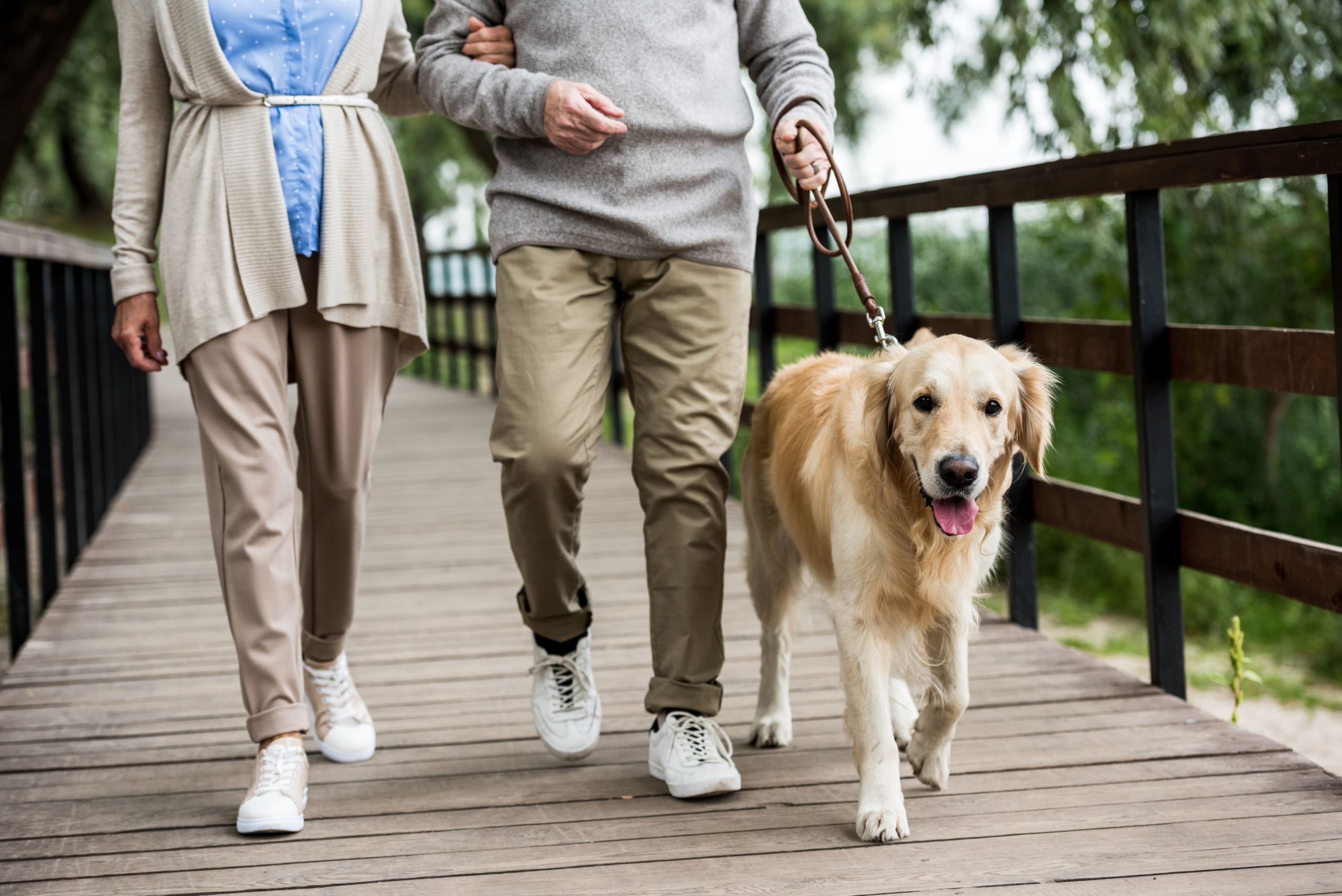
Walking until your legs start to ache, then resting, is one of the most studied ways to manage PAD. Over time, this pattern can help your body build small natural detours, called collateral circulation, around narrowed arteries. A supervised walking program often works better than walking on your own.
Quitting Smoking
Smoking damages the lining of your arteries and speeds up plaque buildup. Quitting will not remove plaque that has already formed, but it can slow how fast PAD gets worse and lower your risk of serious complications like heart attack or stroke.
When Natural Methods Are Not Enough

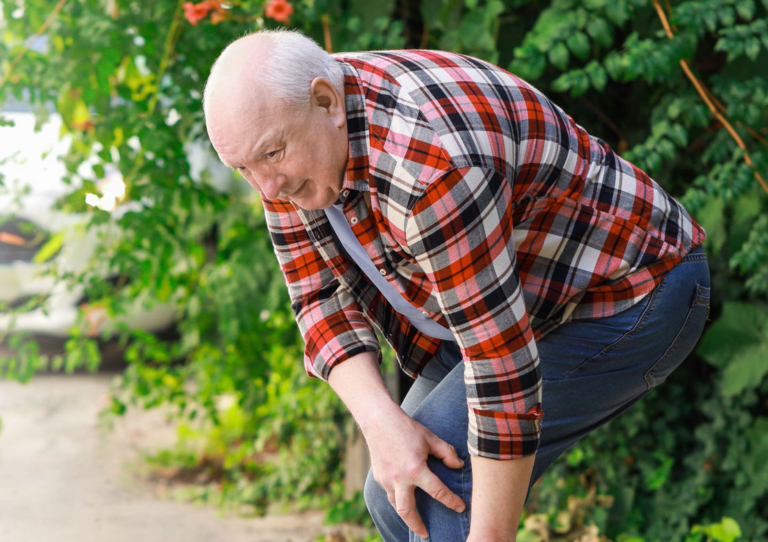
Lifestyle changes work best for mild PAD. If your signs of clogged arteries are getting worse, or you notice pain while resting, cold skin, or wounds that will not heal, it is time to get evaluated.
A vascular specialist may start with an ankle-brachial index test, which compares blood pressure in your arm and ankle. If more detail is needed, they may also check your blood flow with imaging that can detect plaque and calcium buildup in your arteries.
If testing confirms significant blockages, minimally invasive treatment options such as angioplasty, stent placement, or atherectomy may help restore blood flow without open surgery. These outpatient procedures are often a next step when lifestyle changes alone are not enough.
FAQs About Clogged Arteries and PAD
Your next step
Not sure if your symptoms point to PAD?
A quick risk check uses recognized clinical risk factors to flag your personal PAD risk level in just a few minutes.
- Centers for Disease Control and Prevention. “About Peripheral Arterial Disease (PAD).” cdc.gov/heart-disease/about/peripheral-arterial-disease.html
- National Heart, Lung, and Blood Institute (NIH). “Peripheral Artery Disease – Symptoms.” nhlbi.nih.gov/health/peripheral-artery-disease/symptoms
- American Heart Association. “What Is Peripheral Artery Disease?” heart.org/en/health-topics/peripheral-artery-disease
Medical disclaimer: This article provides educational information about peripheral artery disease (PAD) and vascular treatment options. It is not a diagnosis or medical advice. Only a qualified vascular specialist can determine whether you have PAD or recommend appropriate treatment. If you have leg pain with walking or other vascular symptoms, consult a healthcare provider or contact USA Vascular Centers.