

Intermittent claudication is one of the most common symptoms of peripheral artery disease (PAD). If you aren’t sure what the term means, you may not know whether or not you […]
Read More
Lower extremity edema is the noticeable swelling of one or both legs. This condition occurs when fluid buildups in the leg, typically in the subcutaneous tissues (the layer of tissue […]
Read More
Percutaneous Peripheral Intervention Percutaneous peripheral intervention (PPI) is a category of medical procedures used to open narrowed or blocked coronary and peripheral arteries that are restricting blood flow. PPI methods […]
Read More
What is the Difference Between Peripheral Artery Disease and Coronary Artery Disease? Peripheral artery disease (PAD) and coronary artery disease (CAD) are two serious arterial medical conditions. Both are caused […]
Read More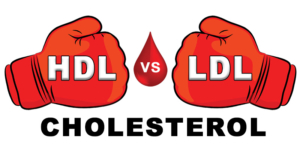
What is the Difference Between HDL and LDL Cholesterol? Cholesterol is a pliable substance that helps you make cell membranes, hormones, and vitamin D. Located in your blood, it is […]
Read More
According to a poll conducted by the National Center for Health Statistics, close to 1 in 10 men experience symptoms of depression and less than half were interested in seeking […]
Read More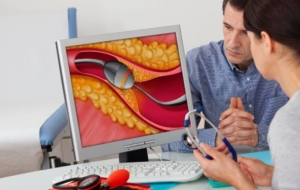
You’ve recently been diagnosed with peripheral artery disease (PAD), a common vascular condition where plaque accumulates with the arteries. Depending on the severity of your PAD, you may experience decreased […]
Read More