
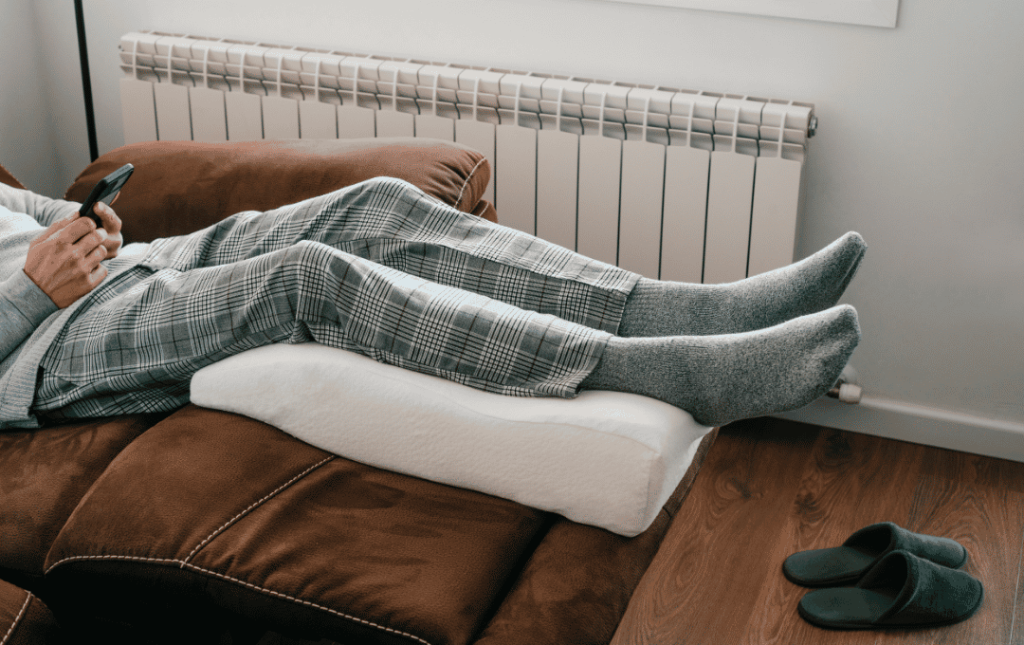
Peripheral Artery Disease (PAD) can make getting a good night’s sleep difficult. Many people with PAD experience leg discomfort, cramping, numbness, or pain that becomes more noticeable while resting. In some cases, symptoms can disrupt sleep repeatedly throughout the night, leaving patients tired and frustrated during the day.
If you’re wondering about the best way to sleep with PAD, the answer depends on the severity of your symptoms and the degree of reduced blood flow affecting your legs. Understanding how PAD impacts circulation can help you make adjustments that may improve both comfort and sleep quality.
Understanding Why PAD Symptoms May Worsen at Night
Peripheral Artery Disease develops when arteries become narrowed or blocked by plaque buildup. As a result, less oxygen-rich blood reaches the muscles and tissues in the legs and feet.
During the day, movement helps stimulate circulation. However, when you lie down and become inactive, you may become more aware of symptoms that were less noticeable while walking or performing daily activities.
For some individuals with advanced PAD, blood flow may be insufficient to meet the needs of tissues even while resting. This can result in nighttime leg pain, known as rest pain, which is often considered a warning sign that medical evaluation is needed.
Is Elevating Your Legs Always Best for PAD?
Many people assume elevating the legs is beneficial for every circulation problem, but that’s not always true for PAD.
With vein disease, elevating the legs often helps improve blood flow back to the heart and reduce swelling. PAD, however, affects the arteries that deliver blood to the legs. In some cases, raising the legs too high may actually reduce arterial blood flow and worsen discomfort.
Patients with more advanced PAD may notice that symptoms improve when their legs are positioned lower, allowing gravity to assist blood flow into the feet and lower legs.
Because everyone experiences PAD differently, it’s important to discuss sleep positioning with a vascular specialist if nighttime symptoms persist.
Sleeping With Your Upper Body Slightly Elevated
Many individuals with PAD find relief by sleeping with the head of the bed slightly elevated.
This position may encourage circulation while maintaining overall comfort. Some patients use an adjustable bed, wedge pillow, or additional pillows under the upper body to achieve a gentle incline.
A slight elevation may also make it easier for some individuals to manage nighttime discomfort without placing the legs in a position that restricts blood flow.
Avoid Sleeping Positions That Compress Blood Vessels
Certain sleeping positions may place pressure on areas where blood vessels travel through the legs and pelvis.
For example, sleeping in tightly curled positions or maintaining prolonged pressure on one side of the body may contribute to discomfort for some patients.
A more neutral sleeping posture often allows for better circulation and reduces unnecessary pressure on the lower extremities.
Maintaining spinal alignment and avoiding awkward positioning may also help minimize nighttime leg symptoms.
Keep Your Feet Warm
People with PAD frequently report that their feet feel colder than normal due to reduced blood flow.
Keeping feet warm during sleep may improve comfort and reduce sensitivity to temperature changes throughout the night. Warm socks, breathable bedding, and a comfortably heated room may help support a better sleep environment.
However, avoid direct heat sources such as heating pads unless specifically approved by your healthcare provider, as individuals with impaired circulation may be more susceptible to burns or skin injury.
Stay Active During the Day
The best sleep strategy often begins long before bedtime.
Regular physical activity is one of the most important lifestyle recommendations for individuals with PAD. Walking programs are frequently recommended because they can help improve circulation and encourage the development of alternate blood flow pathways.
When circulation is better supported throughout the day, nighttime discomfort may become less severe for some patients.
Even moderate daily activity can contribute to improved vascular health and overall well-being.
Pay Attention to Nighttime Leg Pain
Occasional muscle soreness after exercise is not unusual. However, persistent nighttime leg pain should not be ignored.
Leg pain at night can be a symptom of advanced PAD, particularly when pain occurs at rest and improves when the legs are lowered.
PAD-related discomfort often presents as:
- Pain in the feet or toes while resting
- Cramping in the calves
- Burning sensations
- Numbness
- Tingling
- Cold feet
- Pain that improves when the legs are lowered
These symptoms may indicate worsening arterial disease and should be discussed with a vascular specialist.
Other Ways to Improve Sleep With PAD
Several healthy habits may help improve sleep quality while supporting vascular health.
These include:
- Following your prescribed treatment plan
- Taking medications as directed
- Avoiding tobacco products
- Managing diabetes, blood pressure, and cholesterol
- Maintaining a healthy weight
- Establishing a consistent sleep schedule
Although these strategies may not eliminate symptoms completely, they can support overall circulation and reduce risk factors associated with PAD progression.
When Should You See a Vascular Specialist?
Difficulty sleeping due to leg pain may be a sign that PAD is becoming more advanced.
You should schedule a vascular evaluation if you experience:
- Leg pain while walking
- Pain in the feet or toes during rest
- Slow-healing sores or wounds
- Cold feet or lower legs
- Discoloration of the feet or toes
- Numbness or weakness in the legs
- Symptoms that interfere with sleep
Early diagnosis and treatment may help improve circulation and reduce the risk of serious complications.
How PAD Is Diagnosed and Treated
Vascular specialists use several tools to diagnose Peripheral Artery Disease. One of the most common is the Ankle-Brachial Index (ABI), which compares blood pressure in the arms and ankles to detect reduced blood flow.
Additional testing, including ultrasound imaging and vascular studies, may be used to evaluate the severity of the condition.
Depending on the diagnosis, treatment may include lifestyle modifications, supervised exercise therapy, medication management, and minimally invasive procedures designed to restore blood flow to affected arteries.
Sleeping with PAD Conclusion
The best way to sleep with PAD often involves finding a position that maximizes comfort without restricting blood flow. While some individuals benefit from sleeping with their upper body slightly elevated, others may find that elevating their legs worsens symptoms due to reduced arterial circulation.
If leg pain, cramping, numbness, or foot discomfort regularly disrupts your sleep, it’s important to seek professional evaluation. PAD is a treatable vascular condition, and early intervention can help improve circulation, sleep quality, and overall health.