Medically reviewed by
USA Clinics Medical Review Team
Vascular Health Education Experts
Reviewed: November 2026
Arterial revascularization is a category of procedures designed to restore blood flow through narrowed or blocked arteries, most often in the legs. Plaque buildup along artery walls is the most common driver of this narrowing, and it is the same underlying process that causes peripheral artery disease (PAD). Understanding revascularization, including who may benefit from treatment and how minimally invasive procedures work, can help you take the next step if you’re experiencing symptoms of vascular disease.
What Is Arterial Revascularization?
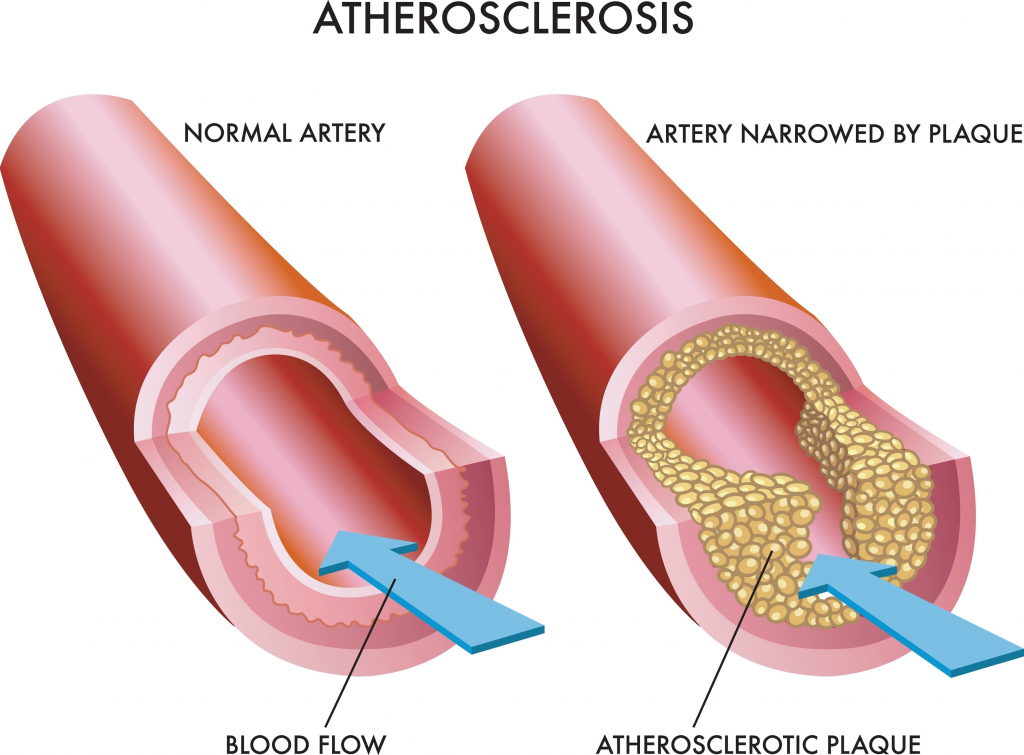
Arterial revascularization refers to any procedure aimed at restoring adequate blood flow through an artery that has narrowed or become blocked. The narrowing is caused by atherosclerosis, a process in which cholesterol, calcium, and other substances accumulate along artery walls over time, forming deposits known as plaque.[1]
When plaque builds up in the arteries supplying the lower extremities, blood flow to the legs and feet decreases. This restriction is called arterial stenosis. When a vessel becomes completely blocked, it is referred to as an occlusion. Arterial revascularization targets these blockages directly, opening the narrowed artery from the inside to allow oxygen-rich blood to reach the muscles and tissue that depend on it.
Who May Benefit from Arterial Revascularization?
Not every person with PAD needs a revascularization procedure right away. Treatment typically follows a stepped approach. For many patients with mild symptoms, the first step involves lifestyle changes, supervised exercise, and medication. A vascular specialist may consider revascularization when:
- Claudication (leg cramping or pain during walking) limits daily activity despite conservative management
- Rest pain is present, meaning discomfort occurs without walking or other physical activity
- Slow-healing wounds or sores have developed on the foot or lower leg
- Testing indicates significantly reduced blood flow to the lower extremities
A noninvasive test called the ankle-brachial index (ABI) measures how well blood is reaching the lower extremities by comparing blood pressure at the ankle with that at the arm.[2] A lower reading at the ankle can indicate arterial narrowing and helps a vascular specialist determine whether a revascularization procedure may be appropriate for a given patient.
Types of Arterial Revascularization Procedures
Several minimally invasive options can restore blood flow without large incisions or general anesthesia. The appropriate procedure depends on the location, type, and severity of the blockage. A vascular specialist uses imaging and clinical evaluation to determine which approach is most suitable.
Angioplasty (Percutaneous Transluminal Angioplasty)
Angioplasty involves guiding a thin, flexible catheter with a small balloon at its tip to the site of the blockage. The balloon is inflated to compress plaque against the artery wall, widening the channel and improving blood flow. The catheter and balloon are then removed. Most patients have this procedure on an outpatient basis and go home the same day.
Stent Placement
In many cases, a small mesh tube called a stent is placed inside the artery after angioplasty. The stent provides structural support to keep the artery open and reduce the chance of re-narrowing over time. Angioplasty and stent placement are often performed together during a single appointment, since they address different aspects of restoring arterial patency.
Atherectomy
Atherectomy takes a different approach: rather than compressing plaque, it physically removes it. A catheter with a specialized cutting or grinding device at its tip is guided to the site of the blockage, the plaque is removed, and the cleared material is withdrawn from the artery. Understanding the differences between these procedures is easier with a closer look at atherectomy vs. angioplasty and how each is selected.
What to Expect from Arterial Revascularization
Minimally invasive revascularization procedures are typically performed at an outpatient vascular center. Most patients arrive, undergo the procedure, and return home the same day. Local anesthesia is applied to the insertion site (usually in the groin or wrist), so no general anesthesia is required and no large incision is made.[3]
Recovery varies depending on the individual and the specifics of the procedure. Many patients notice improvements in leg symptoms within days to a few weeks. A vascular specialist will typically schedule a follow-up visit to monitor blood flow and assess results after the procedure.
When Should You Talk to a Vascular Specialist?
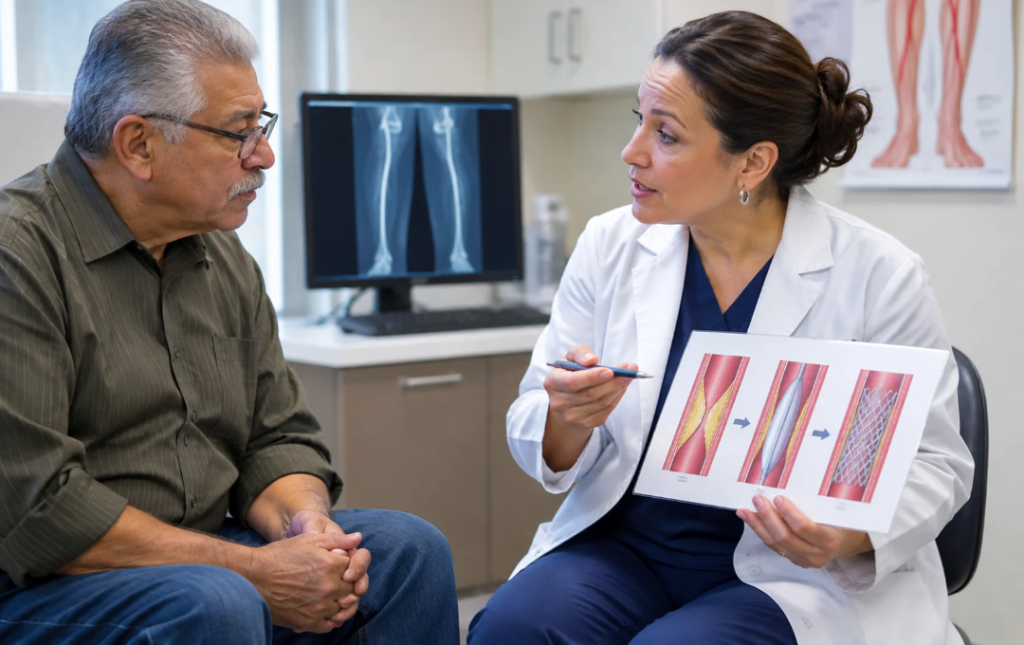
Peripheral artery disease (PAD) is a progressive condition, meaning reduced blood flow can worsen over time without treatment. If symptoms are interfering with daily activities, becoming more frequent, or not improving with lifestyle changes, it’s important to seek medical evaluation.
A vascular specialist can determine whether PAD is causing your symptoms, assess the severity of the disease, and discuss treatment options that may help improve circulation and reduce the risk of complications. Early evaluation can be especially important if symptoms are limiting your ability to walk, affecting your quality of life, or raising concerns about wound healing.
Understanding whether your symptoms may be related to PAD is the first step toward protecting your vascular health. Reviewing PAD symptoms and risk factors can help you prepare for a conversation with a specialist about next steps.
FAQs About Arterial Revascularization
Vascular health check
Know Your PAD Risk Before Symptoms Progress.
Lifestyle changes like regular walking, diet adjustments, and quitting smoking can support vascular health and may ease mild PAD symptoms. For many patients, these steps are an important part of managing the condition long-term.
When blood flow is more significantly reduced, a vascular specialist can evaluate whether a minimally invasive, outpatient option such as angioplasty, stent placement, or atherectomy may help restore circulation and reduce the risk of complications.
- National Heart, Lung, and Blood Institute. “Peripheral Artery Disease.” National Institutes of Health. nhlbi.nih.gov/health/peripheral-artery-disease
- Zemaitis MR, Boll JM, Dreyer MA. “Peripheral Arterial Disease.” StatPearls [Internet]. 2023. National Library of Medicine. ncbi.nlm.nih.gov/books/NBK430745/
- American Heart Association. “Peripheral Artery Disease (PAD).” heart.org/en/health-topics/peripheral-artery-disease
Medical disclaimer: This content is provided for educational purposes only and is not a substitute for professional medical advice, diagnosis, or treatment. Always consult a qualified vascular specialist regarding any questions about your circulatory health.