

National Neuropathy Awareness Week (May 3–9) is an important reminder to listen to what your legs are telling you. Persistent tingling, numbness, pain, and cramping in the legs are often associated with nerve problems such as peripheral neuropathy, but these same sensations may also be warning signs of peripheral artery disease (PAD).
Because neuropathy and PAD can cause similar symptoms, it can be difficult to know what is behind ongoing leg discomfort without a medical evaluation. Understanding the difference can help guide patients toward the most appropriate care and effective relief.
To help you navigate these symptoms, USA Vascular Centers recently published an in-depth guide: “What Does Tingling in the Legs Mean?“
Why Tingling in the Legs Happens
There are various causes of tingling in the legs. In harmless cases, sitting too long or crossing your legs can pinch the nerves, creating a temporary “pins and needles” feeling. Vitamin deficiencies, such as vitamins B12, B6, and E, can also contribute to leg tingling because it disrupts nerve signals to your brain.
Recurring tingling, numbness, burning, pain, or cramping in the legs may be a sign of an underlying condition. While back, hip, and leg injuries can contribute to chronic tingling, peripheral neuropathy and PAD can cause similar symptoms. This makes it difficult to distinguish one cause from another.
Peripheral Neuropathy vs. PAD
Peripheral neuropathy occurs when nerves outside the brain and spinal cord become damaged. It can cause tingling, numbness, burning pain, weakness, and balance problems. Diabetes is one of the most common causes, though neuropathy can also be linked to vitamin deficiencies, autoimmune conditions, infections, injuries, or certain medications.
PAD is a vascular condition that develops when narrowed arteries reduce blood flow to the legs and feet. This is typically caused by a buildup of plaque—a collection of calcium, cholesterol, and other fatty substances that stick to the artery’s walls. Without enough oxygen-rich blood to the legs, symptoms may appear during activity and worsen over time. PAD can cause leg pain while walking, cramping, tingling, numbness, and cold feet.
Diabetes is a shared risk factor for both conditions. Chronically high blood sugar levels can slowly damage blood vessels and nerves over time. In neuropathy, damaged arteries make it harder for the nerves to get enough oxygen and nutrients to function effectively. This can cause the nerves to break down, which can explain why numbness can coexist with tingling sensations. In PAD, high blood sugar can contribute to inflammation, which can also accelerate the production of plaque in the arteries.
Signs That Leg Tingling and Numbness Indicate Neuropathy or PAD

Leg tingling and numbness alone cannot indicate that the symptom is related to neuropathy or PAD. Because symptoms can overlap, it’s important to understand subtle differences in symptoms and how they occur.
The main difference is that neuropathy tingling typically occurs at rest; PAD tingling occurs during activity. Other symptoms that may point to PAD include:
- Leg pain or cramping that worsens while walking and improves with rest
- One foot or leg feeling colder than the other
- Skin discoloration, shiny skin, or hair loss on the legs or feet
- Slow- or non-healing sores on the feet or toes
While these are common symptoms of PAD, as many as 50% of patients are asymptomatic. This can lead to a delayed diagnosis that could have serious consequences if untreated.
If you are diabetic, a current or former smoker, have high blood pressure and cholesterol, or have a family history of vascular disease, you should undergo regular screenings to identify PAD or other vascular issues early, when they have the highest treatment outcome.
Why Early Evaluation Matters
PAD can become more serious if blood flow continues to decline. Over time, poor circulation may increase the risk of chronic wounds, infection, and mobility problems. Medical experts have also noted that PAD can also signal a broader, systemic vascular disease that increases the risk of heart attack, stroke, or amputation.
How PAD is Detected
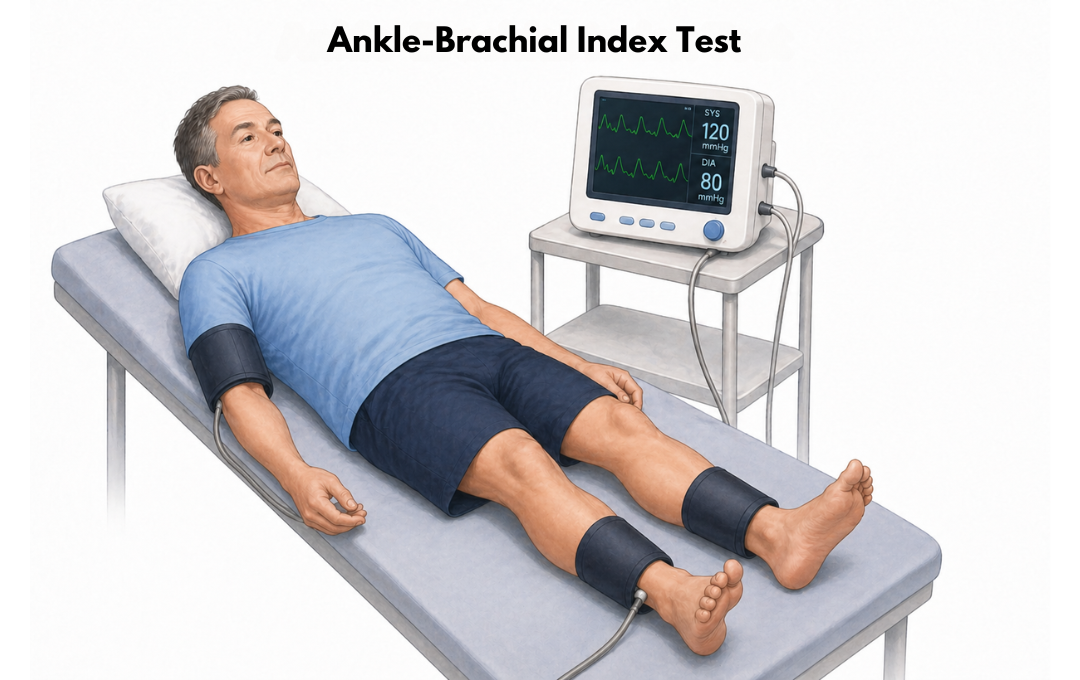
A vascular specialist can help determine whether symptoms are related to PAD using safe, noninvasive tests such as an ankle-brachial index (ABI) or vascular ultrasound. These tests are often used while specialists also review patients’ symptoms and risk factors.
An ABI test measures blood pressure in the arms and ankles. If blood pressure is lower in the ankles than in the arms, that could suggest there’s an arterial blockage in the legs.
Vascular ultrasounds help specialists identify PAD by using electromagnetic sound waves to provide real-time images of blood flow in the arteries.
When PAD is diagnosed early, it can often be managed with lifestyle changes, medication, and minimally invasive treatments such as angioplasty or stenting to improve blood flow.
How USA Vascular Centers Can Help
At USA Vascular Centers, we help patients understand whether symptoms like leg tingling, numbness, pain, or cramping may be related to poor circulation. Our experienced physicians have a high success rate treating peripheral artery disease using vascular evaluations and noninvasive testing.
When PAD is diagnosed, our vascular specialists tailor effective treatment plans that boost blood flow, improve mobility, and support overall health. All treatments offered at USA Vascular Centers are FDA-approved and are proven to restore circulation and reduce symptoms.
During National Neuropathy Awareness Week, our team of health care professionals take recurring leg symptoms seriously. Nerve-like discomfort may have more than one cause and identifying PAD early can help protect your circulation and mobility.
If you need help clarifying what’s causing your symptoms, schedule a consultation or call 888-773-2193.