Medically reviewed by
Dr. Aaron Shiloh, M.D., FSIR
Interventional Radiologist
Reviewed: November 2026
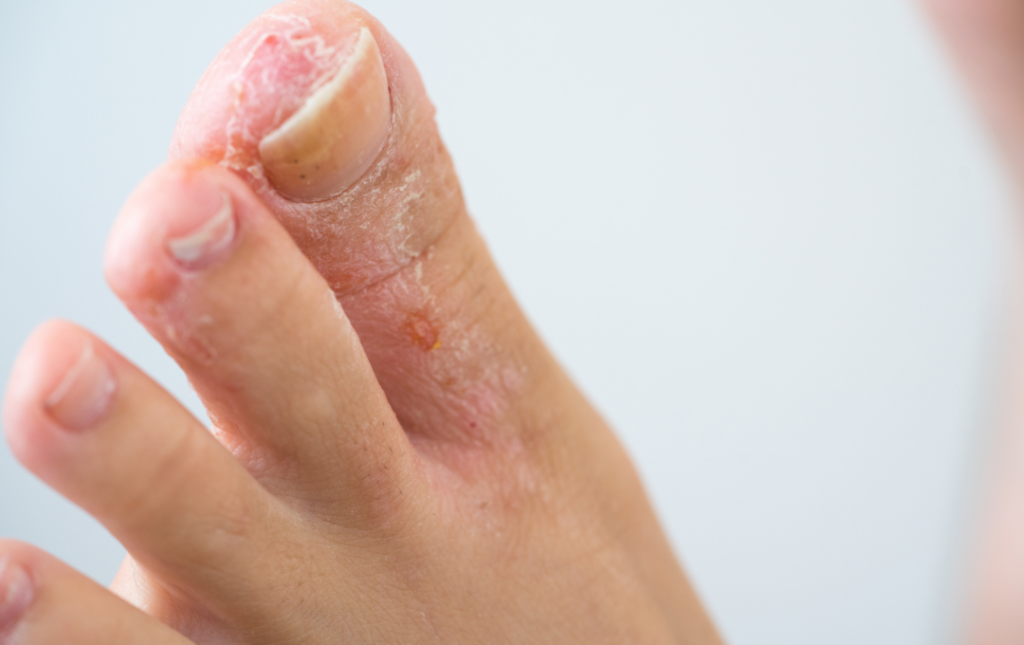
A slow-healing foot wound is often a sign of poor circulation, not just infection. Peripheral artery disease, or PAD, can reduce blood flow to the foot. When that happens, a small cut or blister that occurs on the foot may not heal. It can turn into a wound that stays open. Infection can make a wound worse. But poor circulation is often the real reason the wound will not heal. Knowing which cause is behind your wound can help you decide how fast to see a specialist.
What Does It Mean When a Foot Wound Heals Slowly
Doctors call a wound slow-healing if it does not get better in two to four weeks. If it has not closed by eight weeks, that is a warning sign too. Most small cuts heal fast on a healthy foot. Fresh blood brings oxygen and nutrients to the area, which helps new skin grow.
When blood flow drops, healing slows down. The wound may stay open for weeks or months. Even small wounds can turn into long-term problems.
Feet are often hit first. Your feet sit the farthest from your heart, so blood has to travel the longest path to reach them. When an artery is narrow, the feet and toes feel it before other parts of the leg do. This is one reason a slow-healing wound often shows up on the foot, not higher on the leg.
Is My Wound From Infection or Poor Circulation
Infection and poor circulation can look alike, but they often show different signs.
Signs That May Point Toward Infection
- Spreading redness – redness that spreads out from the wound.
- Warmth – the area around the wound feels warm to the touch.
- Drainage – fluid, pus, or a bad smell coming from the wound.
- Worsening swelling – swelling that keeps getting worse instead of improving.
- Feeling unwell – fever or a general feeling of being sick.
Signs That May Point Toward Poor Circulation
- Pale wound bed – a pale, gray, or dark wound bed with little new tissue.
- Cool skin – the skin around the wound feels cool to the touch.
- Punched-out edges – a wound edge with a clear, even border.
- Night pain – pain that is worse at night or when your foot is raised.
- Skin changes – thin, shiny, or hairless skin on the lower leg.
Both problems can happen together. An infected wound can heal more slowly when blood flow is also low, and poor circulation can make a wound more likely to develop into arterial foot ulcers over time.
What Could Be Causing Your Foot Wound to Heal Slowly
Several health problems can slow down healing in the feet. The most common vascular cause is peripheral artery disease. In PAD, plaque builds up inside the arteries, causing them to get narrow. When this happens, less blood reaches the legs and feet.
Peripheral Artery Disease (PAD)
In PAD, fatty deposits build up on the artery walls. Over time, the artery gets narrower, so less oxygen-rich blood reaches the foot. This slows down every step of wound healing.
Diabetes and Nerve Damage
Diabetes is another major cause. High blood sugar can damage blood vessels, which is why many people with diabetes also develop PAD. Diabetes can also damage nerves, a problem called neuropathy, which can hide pain so you may not notice a wound until it is already serious.
Smoking, high blood pressure, high cholesterol, and age can raise your risk too.
How Doctors Check Your Circulation
If a vascular specialist thinks PAD is part of the problem, they start with a simple test. Depending on what they find, they will also walk you through PAD treatment options that may be appropriate for your circulation.
Ankle-Brachial Index (ABI) Test
The ABI test compares blood pressure at your ankle to blood pressure in your arm. A low reading at the ankle can point to reduced blood flow in the leg and foot.
Toe-Brachial Index and Imaging
In people with diabetes, ankle readings are not always accurate, because calcium buildup can stiffen the arteries. In these cases, a toe-brachial index may be used instead. A specialist may also order an imaging test, such as a Doppler ultrasound. In some cases, a CT scan or standard angiogram can show exactly where blood flow is reduced.
Warning Signs That Need Prompt Attention
A slow-healing wound alone is worth a doctor visit, but some signs point to a more urgent problem. These may include:
- Skin changes – pale, dark, or unusual color around the wound.
- Temperature difference – the foot feels colder than the other side.
- Worsening wound – a wound that is growing bigger, deeper, or darker.
- Possible infection – fever, spreading redness, or a bad smell.
- Numbness – a persistent numbness or pain that is worse at night.
If you notice any of these along with a slow-healing foot wound, plan a same-week visit with a vascular specialist.
Why Early Evaluation Matters
A slow-healing foot wound is more than a skin problem. It can be an early sign of a blood flow problem. Left unchecked, a small wound can turn into a deeper wound. It can also lead to a serious infection, and in advanced cases, a warning sign such as gangrene should never be ignored.
For a closer look at how this plays out on the legs as well as the feet, see our related article, What Do Slow-Healing Wounds On Your Legs Mean?
Early evaluation lets a specialist check your circulation before things get worse. They can also explain options that may support healing and help protect your mobility. Finding a circulation problem early is usually easier to manage than waiting.
Next step
A wound that won’t heal deserves a circulation check.
Wound care and infection treatment matter, but if poor blood flow is part of the problem, those steps alone may not close the wound.
A vascular specialist can check your circulation and explain options based on your symptoms.
Frequently Asked Questions
- Cleveland Clinic. “Peripheral Artery Disease.” my.clevelandclinic.org/health/diseases/17357-peripheral-artery-disease-pad
- Mayo Clinic. “Peripheral artery disease (PAD) – Symptoms and causes.” mayoclinic.org/diseases-conditions/peripheral-artery-disease/symptoms-causes/syc-20350557
- National Institute of Diabetes and Digestive and Kidney Diseases. “Diabetes, Heart Disease, and Stroke.” niddk.nih.gov
- American Heart Association / American College of Cardiology. “2024 Guideline for the Management of Lower Extremity Peripheral Artery Disease.” professional.heart.org
Medical disclaimer: This content is provided for educational purposes only and is not a substitute for professional medical advice, diagnosis, or treatment. Always consult a qualified vascular specialist regarding any questions about your circulatory health.